Alpha Hydroxy Acids are a group of natural and synthetic acids used in skincare to exfoliate dead skin cells, improve texture. And reduce signs of aging. Derived from fruits, milk. Or sugar cane, they dissolve the bonds between skin cells, allowing smoother, brighter skin to emerge. Common types include glycolic acid, lactic acid.
Term
Alpha Hydroxy Acids
SEO context
Used in beauty salon planning, audits. And reporting.
Best practice
Pair the definition with examples and credible sources.
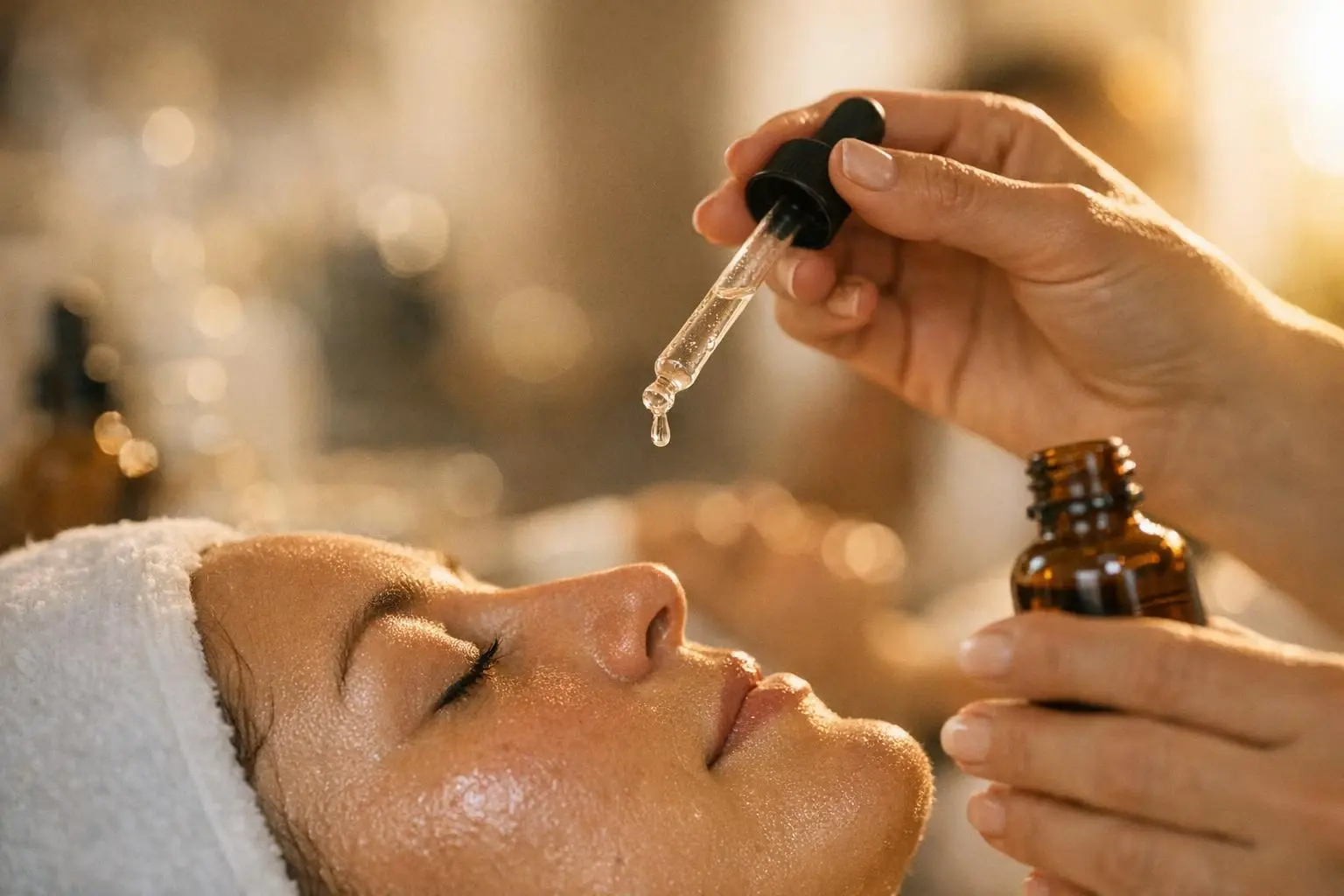
Alpha Hydroxy Acids (AHAs) are water-soluble acids commonly used in skincare to promote exfoliation and skin renewal. They work by breaking down the bonds that hold dead skin cells together, allowing them to slough off more easily. This process reveals fresher, smoother skin underneath and can help address concerns like dullness, uneven texture. And fine lines.
AHAs are derived from natural sources such as fruits (e.g., citric acid from citrus fruits), milk (lactic acid). And sugar cane (glycolic acid). They're widely used in professional treatments like chemical peels and in over-the-counter skincare products like toners, serums. And cleansers. Because they are water-soluble, AHAs primarily target the surface of the skin, making them ideal for dry or sun-damaged skin types.
AHAs function by weakening the bonds between dead skin cells, a process known as desquamation. So you can the outer layer of skin (the epidermis) to shed more efficiently, revealing the newer, healthier skin beneath. The most common AHAs—glycolic acid and lactic acid—are small molecules, which means they can penetrate the skin more easily than larger molecules.
Glycolic acid, derived from sugar cane, is the smallest AHA molecule, making it highly effective but also more likely to cause irritation, especially for sensitive skin. Lactic acid, derived from milk, is slightly larger and gentler, making it a better option for those with dry or sensitive skin. Other AHAs, like citric acid and malic acid, are less commonly used but can still provide exfoliating benefits.
AHAs are often measured by their concentration and pH level. Lower concentrations (5-10%) are typically found in at-home skincare products. While higher concentrations (20-70%) are used in professional chemical peels. The pH of the product also matters: AHAs are most effective at a pH of 3-4. If the pH is too high, the acid may not work as well; if it’s too low, it can cause irritation or damage to the skin.
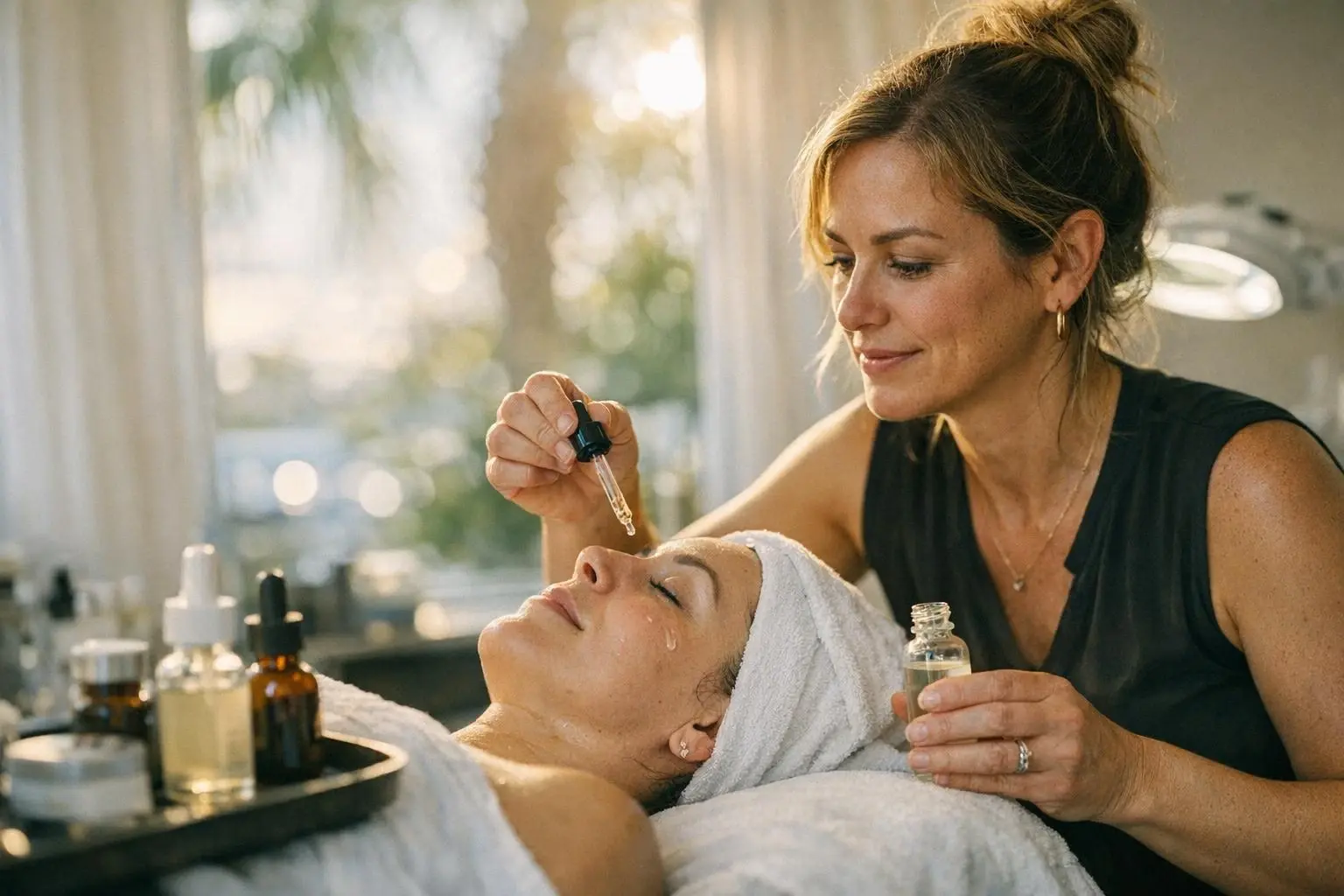
AHAs are valuable in skincare because they address multiple concerns simultaneously. By promoting exfoliation, they help reduce the appearance of fine lines, hyperpigmentation. And rough texture. They also stimulate collagen production over time, which can improve skin elasticity and firmness. For individuals with dry or sun-damaged skin, AHAs can restore a brighter, more even complexion.
But AHAs are not a one-size-fits-all solution. They can increase sun sensitivity, making sunscreen a non-negotiable part of any AHA routine. They may also cause irritation, redness. Or peeling, especially for those with sensitive skin or conditions like rosacea. Understanding how to use AHAs safely and effectively is key to achieving the best results without damaging the skin.
AHAs are particularly useful in the following situations:
AHAs are less suitable for oily or acne-prone skin, as they don't penetrate pores as effectively as Beta Hydroxy Acids (BHAs). They are also not recommended for individuals with active eczema, rosacea. Or open wounds, as they can exacerbate irritation. In West Palm Beach, FL, where sun exposure is common year-round, AHAs can be especially beneficial for addressing sun damage. But sunscreen use is critical to prevent further harm.
AHAs can deliver dramatic results. But they require careful use. Start with lower concentrations and gradually increase frequency to avoid irritation. Patch testing is always recommended, especially for sensitive skin.
A client with sun-damaged skin visits a salon for a glycolic acid peel. After the treatment, their skin appears brighter and more even-toned. The esthetician advises using a lactic acid serum at home 2-3 times a week and daily sunscreen to maintain results.
Posh Boutique WPB
Contact Posh Boutique WPB for practical guidance on Alpha Hydroxy Acids and related beauty salon work in West Palm Beach.