Beta Hydroxy Acid is a group of oil-soluble exfoliating compounds used in skincare to penetrate deep into pores, dissolve excess oil. And remove dead skin cells. The most common type, salicylic acid, treats acne, blackheads. And uneven skin texture by unclogging pores and reducing inflammation without stripping the skin’s natural moisture.
Category
Chemical exfoliant
Used for
Acne, blackheads, oily skin. And pore refinement
Common confusion
Often confused with Alpha Hydroxy Acids, which are water-soluble
Also called
BHA, Salicylic Acid
Often discussed with
Chemical Peels, Acne Treatment
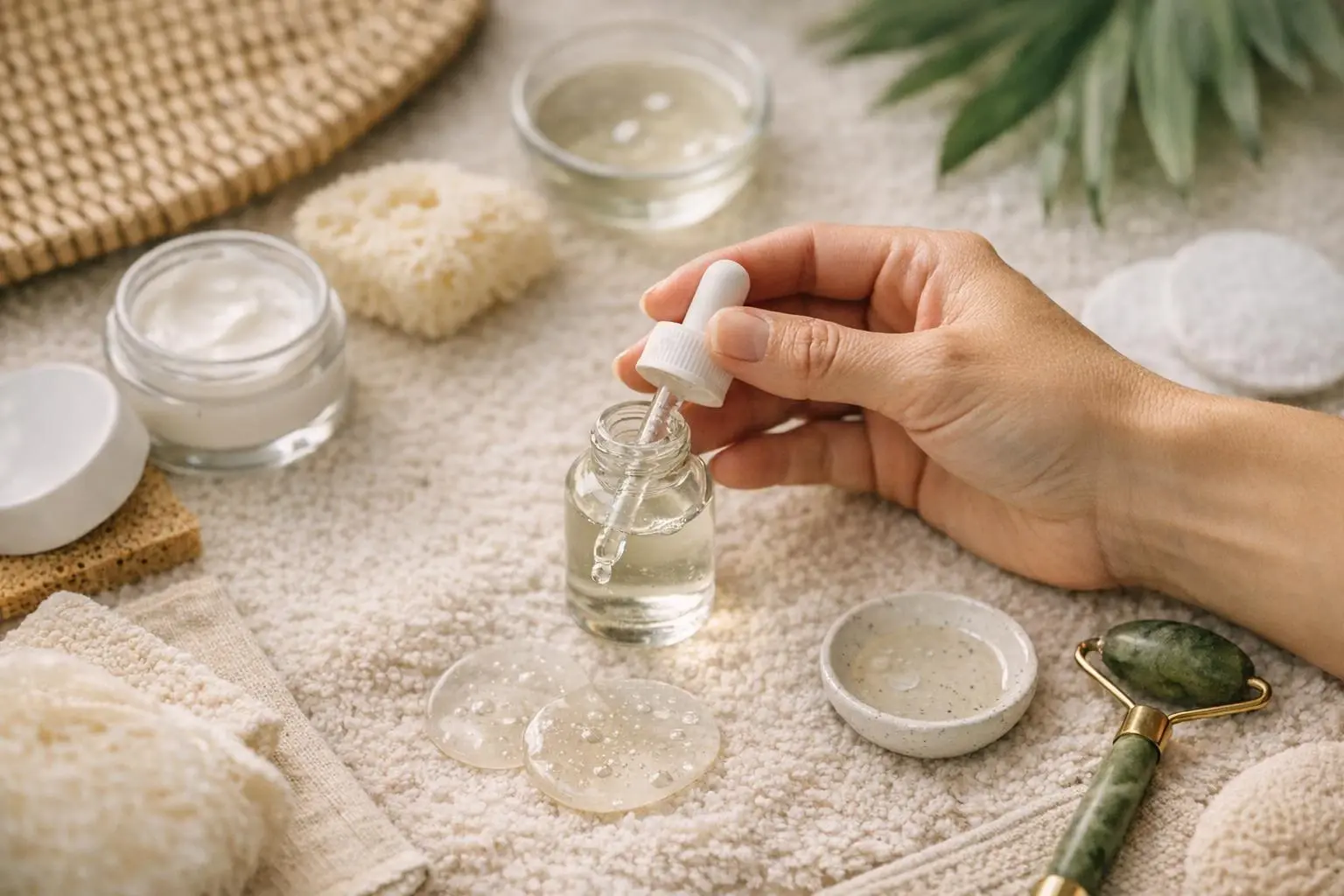
Beta Hydroxy Acid (BHA) is a type of chemical exfoliant used in skincare to improve skin texture and clarity. Unlike physical scrubs that manually remove dead skin cells, BHAs work by dissolving the bonds between cells, allowing them to shed more easily. Because BHAs are oil-soluble, they can penetrate deep into pores, making them particularly effective for oily, acne-prone. Or combination skin types.
Related glossary terms: AHAs, Salicylic Acid, Comedones.
The most well-known BHA is salicylic acid, a compound derived from willow bark. It's widely used in cleansers, toners, serums. And spot treatments. BHAs are valued for their ability to reduce inflammation, unclog pores. And regulate sebum production, which helps prevent breakouts and blackheads. They're also less likely to cause irritation compared to some physical exfoliants, making them suitable for sensitive skin when used correctly.
Beta Hydroxy Acids work by breaking down the intercellular glue that holds dead skin cells together. This process, known as desquamation, allows the skin to shed its outermost layer more efficiently. Because BHAs are oil-soluble, they can dissolve sebum and penetrate deeper into the pore lining, where they help to clear blockages that lead to acne and blackheads.
Salicylic acid, the most common BHA, also has anti-inflammatory properties, which help to calm redness and swelling associated with acne. It is typically used in concentrations ranging from 0.5% to 2% in over-the-counter products. While higher concentrations may require a prescription. BHAs are often formulated at a pH between 3 and 4 to ensure effectiveness while minimizing irritation.
When incorporating BHAs into a skincare routine, The key thing is to start with lower concentrations and gradually increase frequency to allow the skin to adjust. Overuse can lead to dryness or irritation. So it is often recommended to use BHAs 2-3 times per week initially, then daily if tolerated. Sunscreen is essential when using BHAs, as they can increase skin sensitivity to the sun.
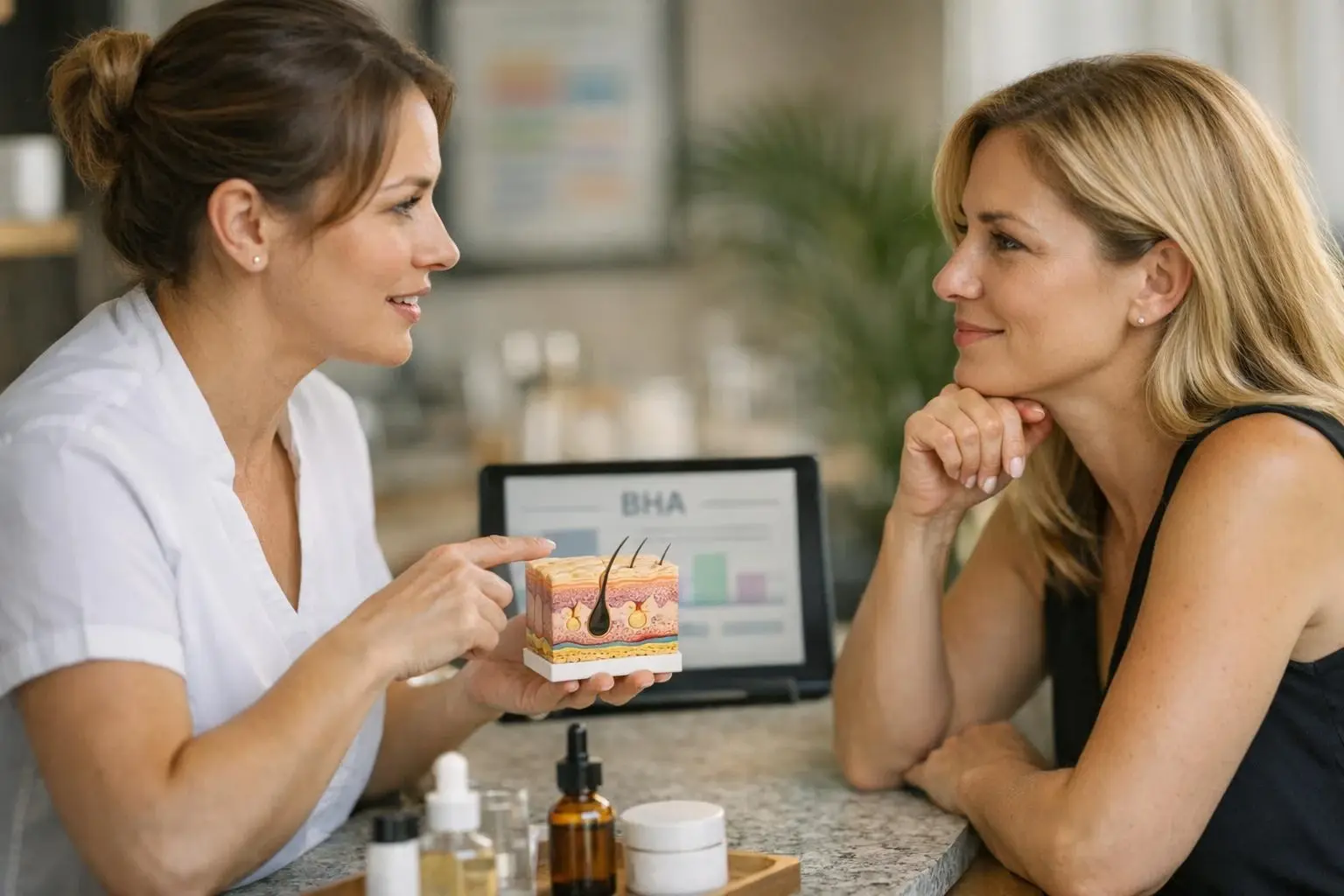
Beta Hydroxy Acids are a cornerstone of effective skincare for individuals struggling with acne, blackheads. Or excess oil. By targeting the root causes of these concerns—clogged pores and excess sebum—BHAs help to prevent breakouts before they start. Their ability to exfoliate without physical abrasion makes them a gentler alternative to scrubs, which can cause micro-tears in the skin and exacerbate irritation.
For local customers, For those with acne-prone skin, BHAs offer a dual benefit: they not only clear existing breakouts but also help to prevent future ones by keeping pores clean. And BHAs can improve the appearance of enlarged pores and uneven skin texture, leading to a smoother, more refined complexion. Their anti-inflammatory properties also make them useful for soothing redness and irritation, which is common in acne-prone skin.
Beta Hydroxy Acids are most beneficial for individuals with oily, acne-prone. Or combination skin types. They are particularly useful in the following situations:
In humid climates like West Palm Beach, FL, where excess oil and sweat can contribute to clogged pores, BHAs can be especially helpful. Regular use of BHAs can help maintain clear, balanced skin by preventing the buildup of sebum and dead skin cells that can lead to breakouts. But it is important to pair BHAs with a broad-spectrum sunscreen, as they can increase the skin’s sensitivity to UV rays.
AHAs are water-soluble and work on the skin’s surface to improve texture and brightness. While BHAs are oil-soluble and penetrate pores to treat acne and excess oil.
Salicylic acid is the most common type of Beta Hydroxy Acid. But not all BHAs are salicylic acid—though they are often used interchangeably in skincare.
Beta Hydroxy Acids are one of the few exfoliants that can effectively treat acne at its source inside pores. However, their oil-soluble nature means they may not be as effective for dry or sensitive skin unless formulated with soothing ingredients.
A client with oily, acne-prone skin visits a salon in West Palm Beach for a deep cleansing facial. The esthetician incorporates a salicylic acid-based peel to unclog pores and reduce inflammation. After consistent use, the client notices fewer breakouts and a smoother complexion, even in the humid climate.
AHAs are a group of water-soluble acids derived from fruits, milk. Or sugar cane that exfoliate the skin's surface. AHAs work by loosening the bonds between dead skin cells, promoting cell turnover. And revealing smoother, brighter skin underneath. Common AHAs include glycolic acid, lactic acid. And citric acid, often used in skincare products and professional treatments.
Salicylic Acid is a beta hydroxy acid (BHA) derived from willow bark and other plants. It acts as a keratolytic agent, meaning it helps dissolve dead skin cells and excess oil, making it highly effective for treating acne, blackheads. And clogged pores. It's oil-soluble, allowing it to penetrate deep into pores to exfoliate and reduce inflammation.
Comedones are small, flesh-colored or dark bumps that form when hair follicles become clogged with oil, dead skin cells. And bacteria. Comedones appear most often on the face, neck, chest. And back and are a primary sign of acne. They come in two main types: open comedones (blackheads) and closed comedones (whiteheads).
Sebum is an oily, waxy substance produced by sebaceous glands in the skin. Sebum lubricates, waterproofs. And protects the skin and hair by preventing dryness and providing a barrier against bacteria and fungi. Overproduction or underproduction of sebum can lead to skin issues like acne or dryness.
Skin Barrier is the outermost layer of the skin, called the stratum corneum, that acts as a protective shield. It prevents harmful substances like bacteria, pollutants.
Posh Boutique WPB
Contact Posh Boutique WPB for practical guidance on Beta Hydroxy Acid and related beauty salon work in West Palm Beach.