Fitzpatrick Scale is a numerical classification system that ranks human skin color and its response to ultraviolet (UV) light exposure. Developed in 1975 by dermatologist Thomas Fitzpatrick, it categorizes skin into six types (I to VI) based on melanin levels, sunburn risk.
Term
Fitzpatrick Scale
SEO context
Used in beauty salon planning, audits. And reporting.
Best practice
Pair the definition with examples and credible sources.
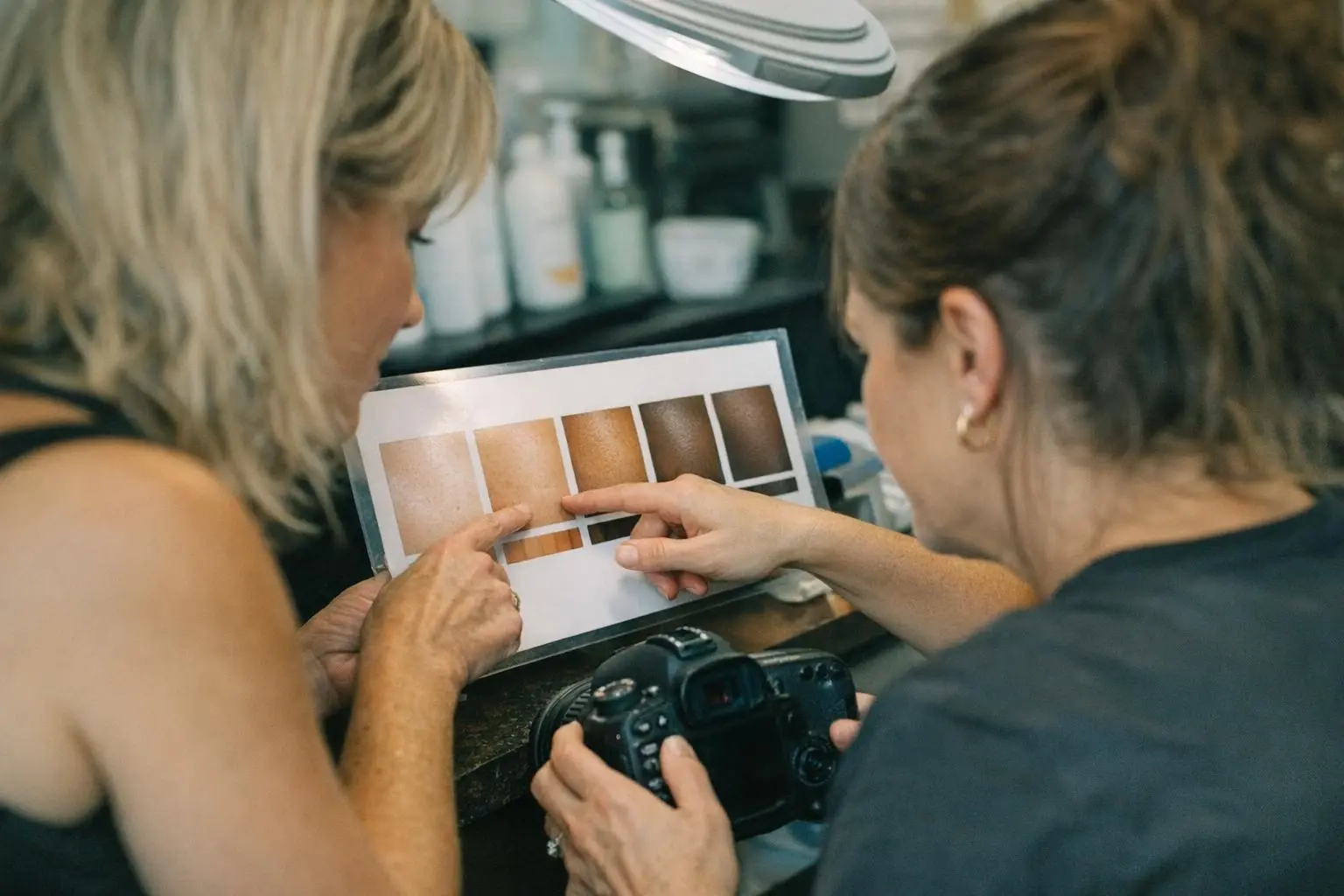
The Fitzpatrick Scale helps describe skin types. It shows how skin reacts to sunlight.
Dr. Thomas Fitzpatrick made it in 1975. He was a skin doctor at Harvard.
It helps doctors check skin cancer risk. It also helps them pick safe treatments.
The scale gives each skin tone a number. Numbers go from I to VI.
Type I is the palest skin. It burns the easiest.
Type VI is the darkest skin. It rarely burns.
This scale looks at more than just color. It checks how skin burns and tans.
It also looks at melanin. Melanin is the color in your skin.
Melanin helps protect skin from sun damage. Types I-III have less melanin.
They burn fast and rarely tan. Types IV-VI have more melanin.
They tan more and burn less. But all skin can get sun damage.
Everyone can get skin cancer. So everyone needs sun protection.
The Fitzpatrick Scale uses questions. These questions find your skin type.
Questions ask about:
Answers put skin into six types. Each type has its own features.
Each type shows how skin reacts to the sun.
The scale is used a lot. But it's not perfect.
Some people don't fit one type. This is true for mixed heritage.
But it's still a good tool. It helps check skin sensitivity.
It guides treatment choices too.
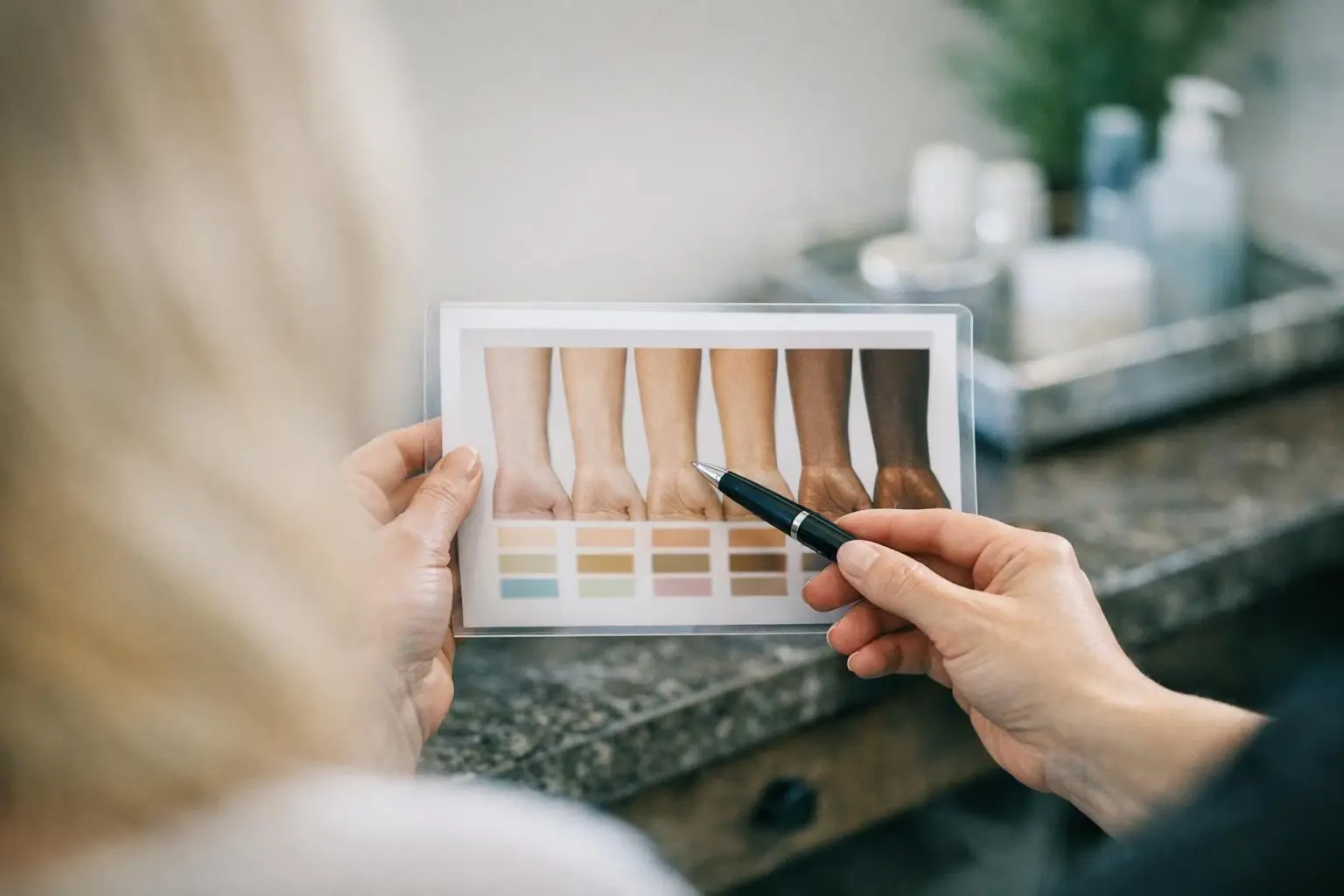
The Fitzpatrick Scale helps professionals. It helps them make safe skin choices.
It makes treatments work better too. For example, laser hair removal can burn skin.
Chemical peels can cause dark spots. Some facials can hurt skin.
Type III skin can handle some treatments. But Type I skin might get hurt.
Type VI skin might need stronger treatments. The scale helps pick the right one.
It cuts risks and gives better results.
The scale helps with sun protection too. Type I skin needs high SPF.
They need to put sunscreen on often. Type VI skin rarely burns.
But they still need protection. It stops long-term damage.
Knowing your skin type helps. It helps you choose sun and skin products.
It helps with professional treatments too.
The Fitzpatrick Scale matters most for certain treatments. These can hurt skin.
Treatments involve heat, light. Or chemicals. Here are some examples:
They use IPL (bright light flashes). Darker skin (IV-VI) needs special settings.
This avoids burns or dark spots.
Darker skin needs weaker peels. Professionals change the mix for each type.
All skin types need sunscreen daily. It stops aging and skin cancer.
They can cause dark spots too. Sensitive skin needs lower doses.
They suggest the right screenings.
West Palm Beach is sunny all year. The Fitzpatrick Scale helps beauty pros here.
They give safe treatments for all skin tones. Facials, peels. And lasers are safer.
They fit each client's needs. This cuts the chance of bad reactions.
While Fitzpatrick Scale is a useful starting point, individual skin reactions can vary due to factors like genetics, medication. Or recent sun exposure. Always perform a patch test before full treatments, especially for laser or chemical procedures.
A beauty salon in West Palm Beach prepares for a client’s laser hair removal session. The client has light olive skin, brown eyes. And tans easily without burning—characteristics of Fitzpatrick Type IV. The esthetician adjusts the laser settings to a lower energy level to avoid hyperpigmentation, ensuring a safe and effective treatment.
Posh Boutique WPB
Contact Posh Boutique WPB for practical guidance on Fitzpatrick Scale and related beauty salon work in West Palm Beach.