Glycolic Acid is a colorless, odorless alpha hydroxy acid (AHA) derived from sugar cane. It's one of the smallest AHAs, allowing it to penetrate the skin easily. Glycolic Acid works by dissolving the bonds between dead skin cells, promoting exfoliation and revealing smoother, brighter skin underneath.
Category
Alpha Hydroxy Acid (AHA)
Used for
Exfoliation, hyperpigmentation, acne, fine lines
Common confusion
Often mistaken for salicylic acid (a beta hydroxy acid)
Also called
Hydroxyacetic Acid, Hydroxyethanoic Acid
Often discussed with
Chemical Peels, Exfoliation Treatments
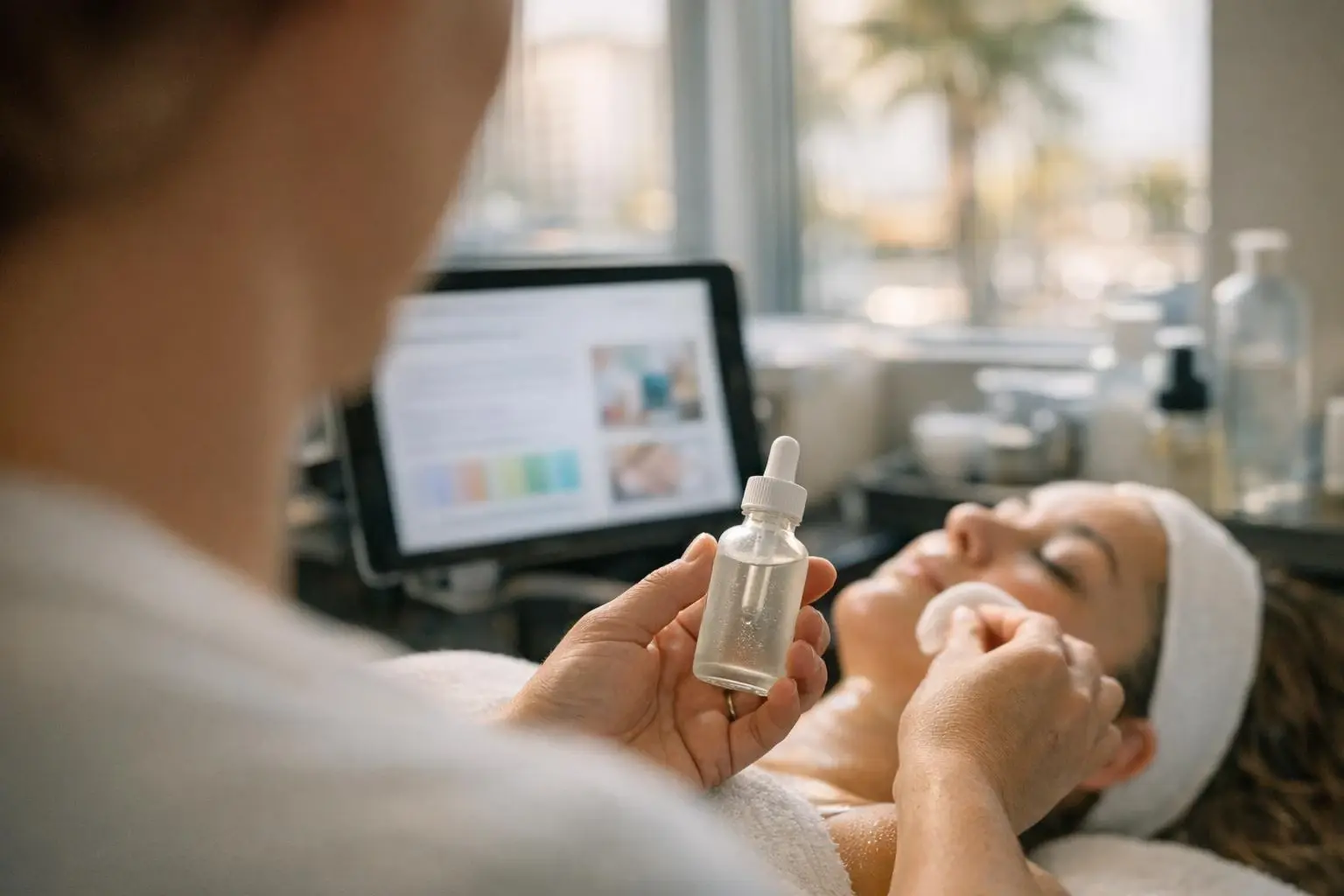
Glycolic Acid is a type of alpha hydroxy acid (AHA) commonly used in skincare. It comes from natural sources like sugar cane. Though it can also be made in labs. Because of its small molecular size, Glycolic Acid can penetrate the skin more deeply than many other AHAs. This makes it especially effective for exfoliating the outer layer of skin, known as the epidermis.
Related glossary terms: AHAs, Alpha Hydroxy Acids, Beta Hydroxy Acid.
When applied to the skin, Glycolic Acid works by loosening the bonds that hold dead skin cells together. This process, called chemical exfoliation, helps remove dull, rough. Or uneven skin. Unlike physical scrubs that rely on abrasion, Glycolic Acid dissolves dead cells without scrubbing, which can be gentler on sensitive skin.
Glycolic Acid functions through a process called keratolysis. It breaks down keratin, a protein that acts like glue between skin cells. By weakening these bonds, Glycolic Acid allows dead skin cells to slough off more easily. This reveals the newer, healthier skin underneath and can improve issues like clogged pores, uneven texture. And dullness.
The strength of Glycolic Acid is measured by its concentration and pH level. Lower concentrations (5-10%) are found in over-the-counter products like toners and serums. Higher concentrations (20-70%) are used in professional chemical peels performed by licensed estheticians or dermatologists. The pH level also matters: a lower pH means the acid is more active and effective. But it may also increase irritation risks.
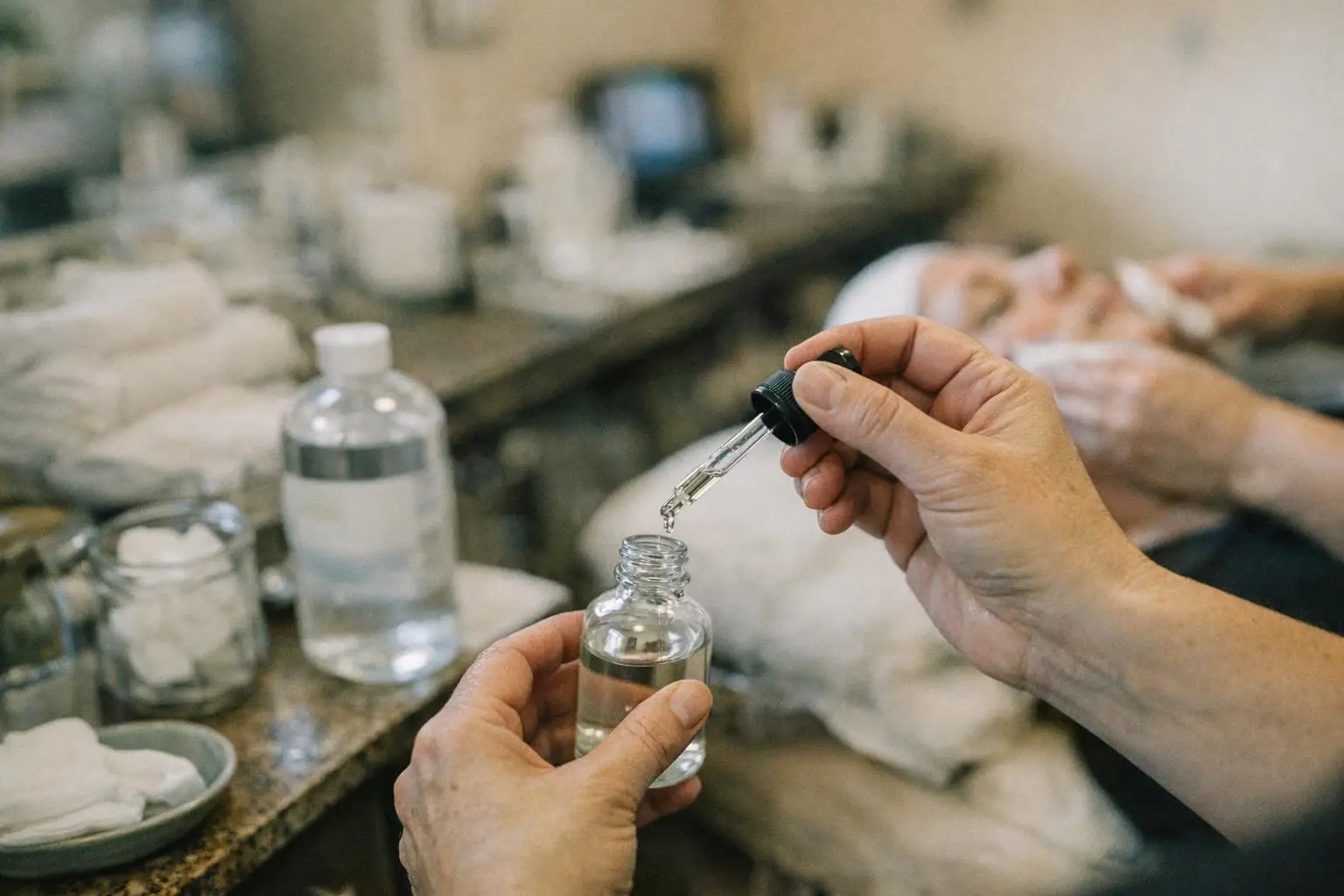
Glycolic Acid matters because it addresses multiple skin concerns with one ingredient. It can help reduce the appearance of fine lines, dark spots. And acne by promoting cell turnover. Unlike harsh scrubs, it works chemically rather than mechanically, making it suitable for many skin types, including sensitive or acne-prone skin. Regular use can lead to a smoother, more even-toned complexion.
Another reason Glycolic Acid is valued is its ability to boost the absorption of other skincare products. By removing the layer of dead skin cells, it allows serums, moisturizers. And treatments to penetrate more effectively. This can make your entire skincare routine work better.
Glycolic Acid becomes especially important when dealing with specific skin concerns. People with dull, rough. Or uneven skin texture often see improvements with regular use. It’s also helpful for those with mild hyperpigmentation, such as sun spots or age spots, as it can fade discoloration over time. Acne-prone individuals may benefit from Glycolic Acid’s ability to unclog pores and reduce breakouts.
But Glycolic Acid isn’t for everyone. Those with very sensitive skin, rosacea. Or eczema may find it too irritating. It’s also not recommended for use right after procedures like waxing, microneedling. Or laser treatments, as it can cause excessive irritation. Always patch-test new products and introduce Glycolic Acid gradually to avoid redness, burning. Or peeling.
Lactic Acid is another AHA but has a larger molecule size, making it gentler and better for sensitive or dry skin.
Salicylic Acid is a beta hydroxy acid (BHA) that penetrates pores to treat acne. While Glycolic Acid works on the skin’s surface.
Glycolic Acid’s small molecule size makes it highly effective. But this also means it can cause irritation if misused. Always start with lower concentrations and gradually increase frequency to build skin tolerance.
A client with sun-damaged skin visits a salon for a chemical peel. The esthetician applies a 30% Glycolic Acid solution for 3-5 minutes. After rinsing, the client’s skin appears brighter. And fine lines are less noticeable. The esthetician recommends a follow-up routine with a 10% Glycolic Acid serum at home.
AHAs are a group of water-soluble acids derived from fruits, milk. Or sugar cane that exfoliate the skin's surface. AHAs work by loosening the bonds between dead skin cells, promoting cell turnover. And revealing smoother, brighter skin underneath. Common AHAs include glycolic acid, lactic acid. And citric acid, often used in skincare products and professional treatments.
Alpha Hydroxy Acids are a group of natural and synthetic acids used in skincare to exfoliate dead skin cells, improve texture. And reduce signs of aging. Derived from fruits, milk. Or sugar cane, they dissolve the bonds between skin cells, allowing smoother, brighter skin to emerge. Common types include glycolic acid, lactic acid.
Beta Hydroxy Acid is a group of oil-soluble exfoliating compounds used in skincare to penetrate deep into pores, dissolve excess oil. And remove dead skin cells. The most common type, salicylic acid, treats acne, blackheads. And uneven skin texture by unclogging pores and reducing inflammation without stripping the skin’s natural moisture.
Hyperpigmentation is a common skin condition where patches of skin become darker than the surrounding area due to excess melanin production. It can result from sun exposure, hormonal changes, inflammation. Or skin injuries. While usually harmless, it often affects appearance and may signal underlying skin health concerns.
Posh Boutique WPB
Contact Posh Boutique WPB for practical guidance on Glycolic Acid and related beauty salon work in West Palm Beach.