Kojic Acid is a natural skin-lightening agent derived from fungi, particularly species used in fermentation processes like Japanese sake and soy sauce. Kojic Acid works by inhibiting tyrosinase, an enzyme involved in melanin production, making it effective for treating hyperpigmentation, dark spots. And uneven skin tone.
Category
Skin-lightening agent
Used for
Treating hyperpigmentation, melasma. And sunspots
Common confusion
Often mistaken for hydroquinone, a stronger but more regulated lightener
Also called
Kojic Dipalmitate
Often discussed with
Chemical Peels, Hyperpigmentation Treatment
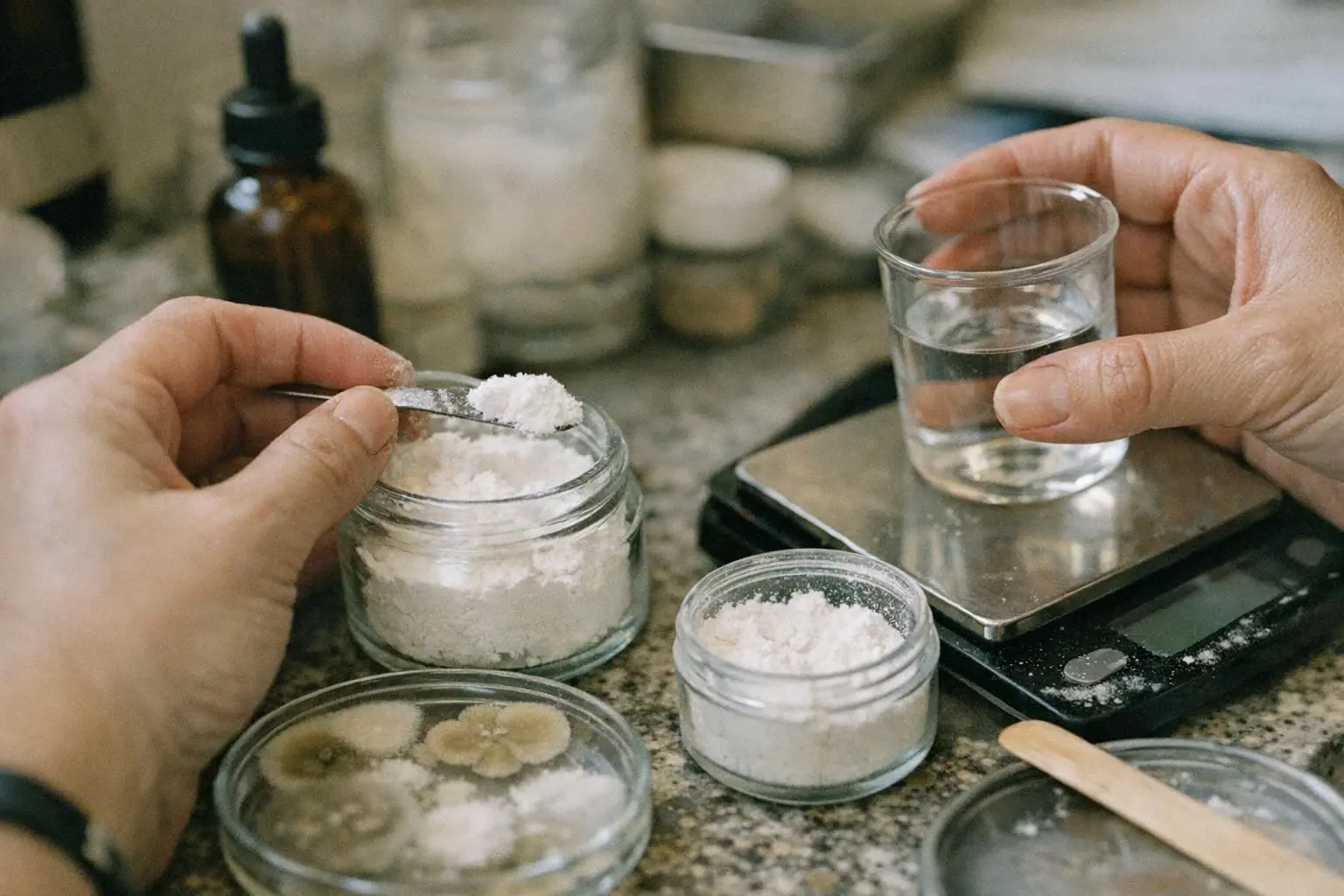
Kojic Acid comes from fungus. It forms when some fungi ferment. One fungus is Aspergillus oryzae.
Related glossary terms: Hyperpigmentation, Glycolic Acid, Vitamin C Serum.
This fungus makes Japanese foods. Sake and miso are two examples. Kojic Acid helps skin look brighter.
It fades dark spots. It also helps with sun damage. Melasma gets lighter too.
Kojic Acid stops melanin (skin color) from forming. It's gentler than some other lighteners. But you must use it often to see results.
Most products have 1% to 4% Kojic Acid. You can buy these without a prescription. Stronger ones may need a doctor's help.
They can irritate skin. Kojic Acid often mixes with other things. Glycolic acid (a skin exfoliant) is one.
Vitamin C is another. These help it work better. They also lower side effects.
Melanin gives skin its color. Too much melanin causes dark spots. This is called hyperpigmentation.
Kojic Acid blocks tyrosinase (a protein). This protein makes melanin. Without it, skin makes less melanin.
Dark spots fade over time. Skin renews itself naturally. This helps spots disappear.
Use Kojic Acid every day. It works best in serums or creams. Some peels have it too.
It makes skin more sensitive to sun. Always use sunscreen. This stops new spots from forming.
You'll see results in 4 to 12 weeks. It depends on how dark the spots are. Keep using it to see changes.
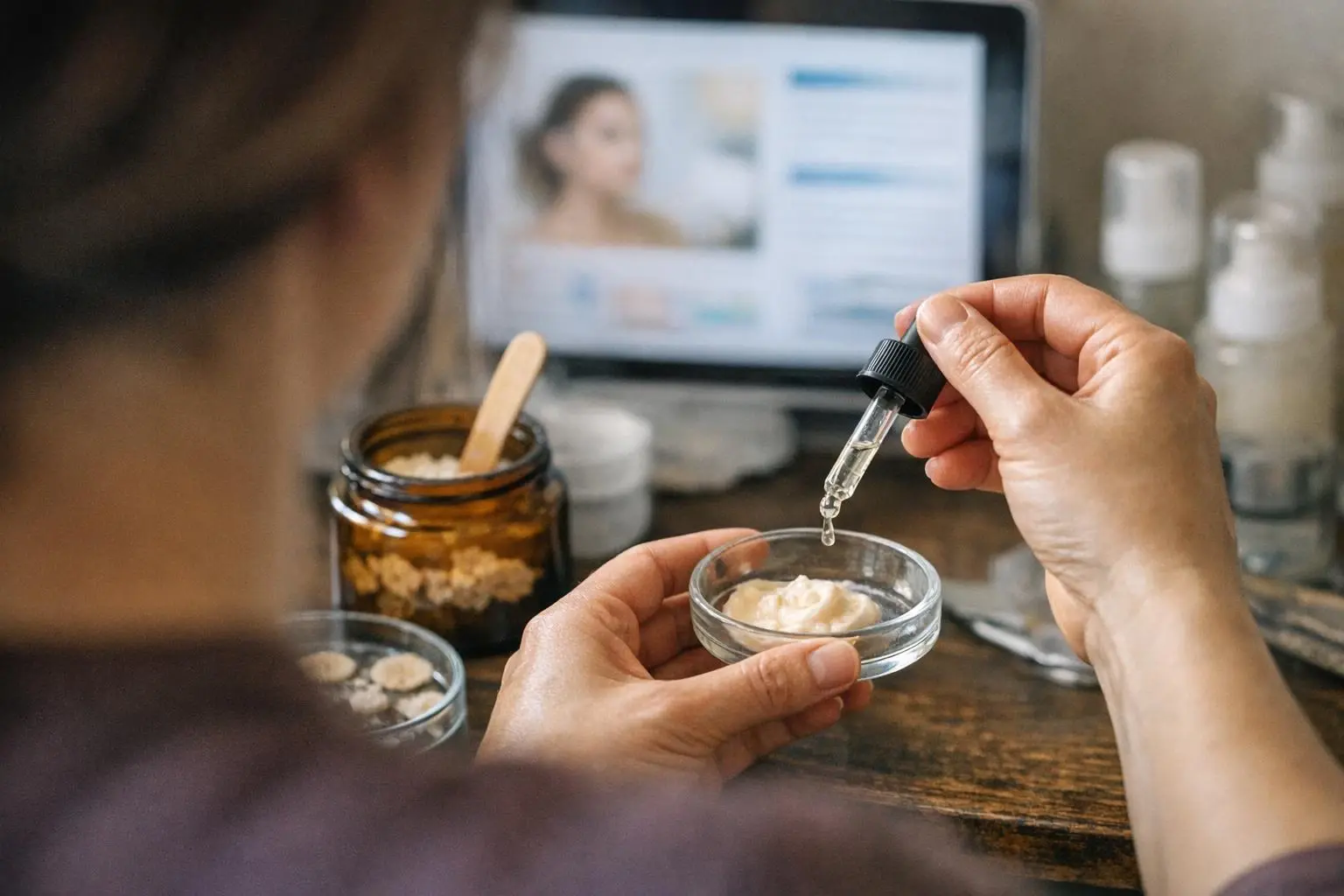
Many people worry about dark spots. Sun damage, acne scars. And melasma cause them. Kojic Acid helps even skin tone.
It works without lasers. It also avoids harsh chemicals. It comes from nature, which some people prefer.
Beauty experts use Kojic Acid often. It helps clients with uneven skin. They add it to facials or peels.
It can also go in custom skincare plans. But it may cause sensitivity. Always test it on a small skin area first.
Kojic Acid helps in many cases:
In sunny places like West Palm Beach, FL, it helps. But you must use sunscreen. Sun can undo the work.
Teach clients to wear SPF daily. This keeps results longer. Without it, spots may come back.
Hydroquinone is a stronger, synthetic skin-lightening agent but is more regulated due to potential side effects like ochronosis. Kojic Acid is gentler and naturally derived.
Arbutin is a plant-derived ingredient that also inhibits tyrosinase but is generally milder than Kojic Acid. It is often used in sensitive skin formulations.
Vitamin C brightens skin by neutralizing free radicals and boosting collagen. But it does not directly inhibit tyrosinase like Kojic Acid.
Kojic Acid is effective but can be unstable. Look for formulations with stabilizing agents like dipalmitate or combined with antioxidants to prolong shelf life and efficacy.
A client with sunspots from years of unprotected sun exposure visits a salon for a brightening treatment. The esthetician recommends a series of chemical peels containing 3% Kojic Acid, paired with a daily vitamin C serum and SPF 30 sunscreen. After 8 weeks, the client notices a visible reduction in dark spots and a more even skin tone.
Hyperpigmentation is a common skin condition where patches of skin become darker than the surrounding area due to excess melanin production. It can result from sun exposure, hormonal changes, inflammation. Or skin injuries. While usually harmless, it often affects appearance and may signal underlying skin health concerns.
Glycolic Acid is a colorless, odorless alpha hydroxy acid (AHA) derived from sugar cane. It's one of the smallest AHAs, allowing it to penetrate the skin easily. Glycolic Acid works by dissolving the bonds between dead skin cells, promoting exfoliation and revealing smoother, brighter skin underneath.
Vitamin C Serum is a lightweight, fast-absorbing skincare product containing a high concentration of L-ascorbic acid, a potent antioxidant. Vitamin C Serum helps brighten skin, reduce dark spots, protect against sun damage. And boost collagen production when applied topically. It's typically used in morning routines for maximum effectiveness.
Skin Barrier is the outermost layer of the skin, called the stratum corneum, that acts as a protective shield. It prevents harmful substances like bacteria, pollutants.
Posh Boutique WPB
Contact Posh Boutique WPB for practical guidance on Kojic Acid and related beauty salon work in West Palm Beach.