Microdermabrasion is a non-invasive skin-resurfacing treatment that gently exfoliates the outer layer of dead skin cells using fine crystals or a diamond-tipped wand. It improves skin texture, reduces fine lines. And minimizes pores by stimulating cell turnover and collagen production, leaving skin smoother and brighter.
Category
Exfoliation treatment
Used for
Skin rejuvenation, acne scars, hyperpigmentation, fine lines
Common confusion
Often mistaken for chemical peels, which use acids instead of physical exfoliation
Also called
Microderm, Crystal Peel
Often discussed with
Exfoliation Treatments, Customized Skincare Protocols
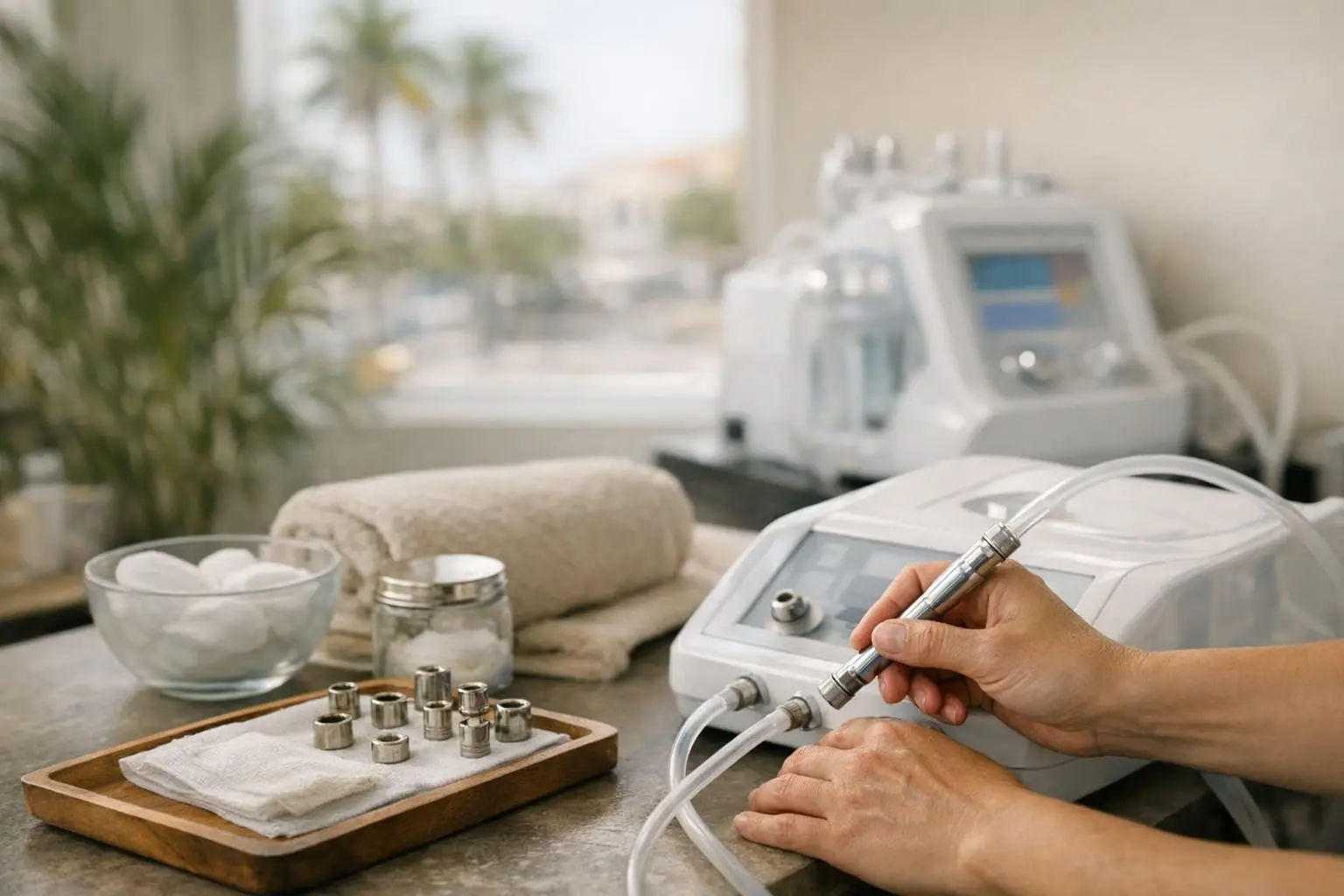
Microdermabrasion is a mechanical exfoliation technique designed to refresh the skin’s surface. Unlike chemical peels or laser treatments, it relies on physical abrasion to remove the outermost layer of dead skin cells. This process reveals healthier skin underneath and encourages the body’s natural healing response, which includes increased collagen production. Collagen is a protein that helps maintain skin elasticity and firmness, making microdermabrasion a popular choice for addressing signs of aging, sun damage. And minor scarring.
Related glossary terms: Dermaplaning, Hydrafacial, Hyperpigmentation.
The treatment is performed using one of two primary methods: crystal microdermabrasion or diamond-tip microdermabrasion. Crystal microdermabrasion involves spraying fine crystals, such as aluminum oxide or sodium bicarbonate, onto the skin while a vacuum simultaneously removes the crystals and exfoliated skin cells. Diamond-tip microdermabrasion uses a wand coated with tiny diamond particles to gently scrape away dead skin. Both methods are effective. And the choice often depends on the provider’s preference and the client’s skin type.
The microdermabrasion process typically begins with a thorough cleansing of the skin to remove makeup, oils. And surface debris. The provider then uses a handheld device to pass over the skin in smooth, controlled strokes. The device’s abrasive tip or crystals exfoliate the epidermis, the skin’s outermost layer. While the vacuum function removes the loosened skin cells and any residual crystals. The treatment usually takes 30 to 60 minutes, depending on the areas being treated.
Microdermabrasion works by triggering the skin’s natural repair mechanisms. When the outer layer of dead skin cells is removed, the body responds by producing new cells and increasing blood flow to the treated area. This boost in circulation delivers oxygen and nutrients to the skin, promoting healing and collagen production. Over time, this process can improve skin texture, reduce the appearance of fine lines. And even out skin tone. But results are not immediate; most clients see gradual improvements after a series of treatments, typically spaced 2 to 4 weeks apart.
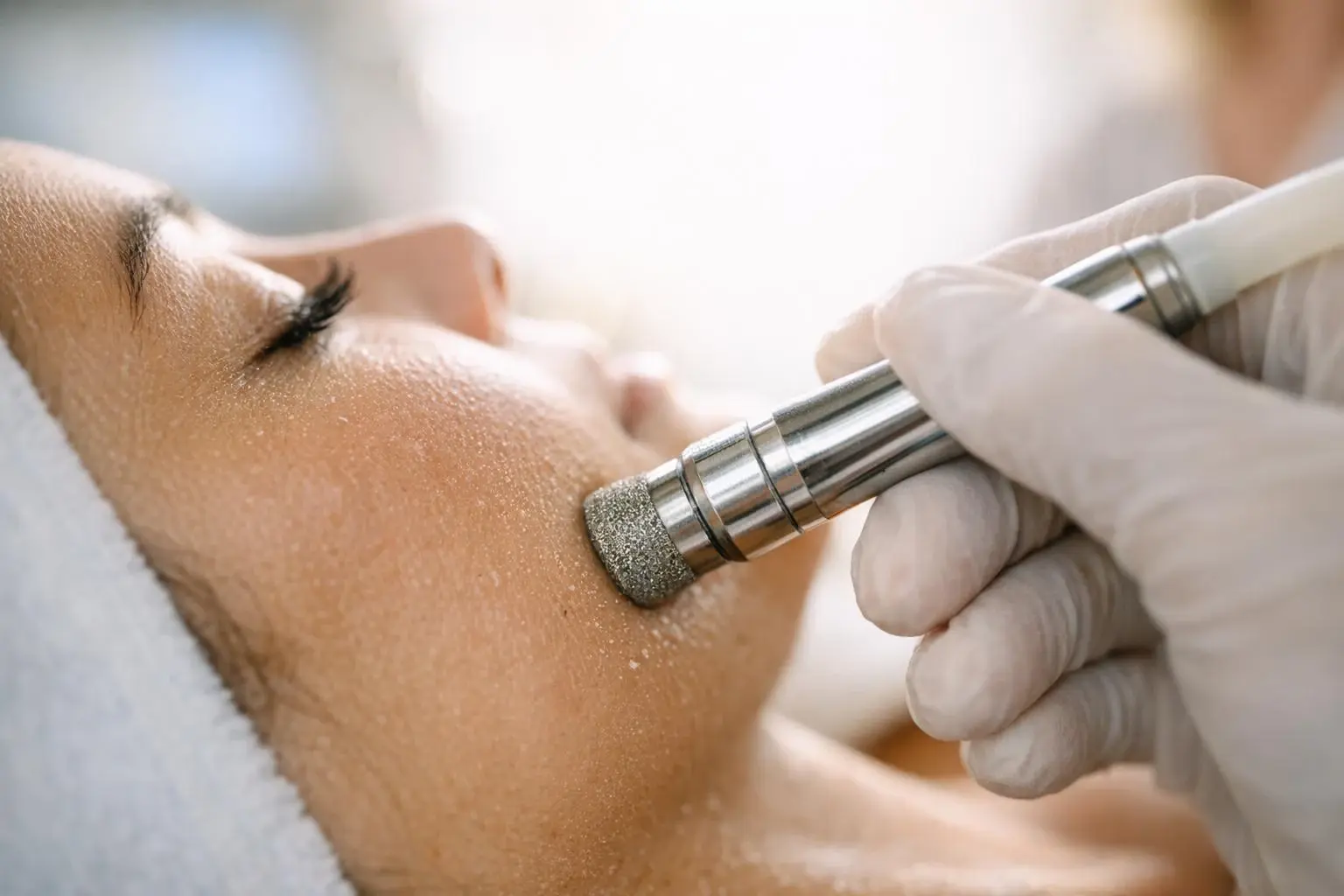
Microdermabrasion matters because it offers a safe, effective way to rejuvenate the skin without the need for invasive procedures or harsh chemicals. It's suitable for most skin types, including sensitive skin. And can address a variety of common concerns, such as dullness, rough texture, mild acne scars. And hyperpigmentation. Unlike more aggressive treatments like chemical peels or laser resurfacing, microdermabrasion has minimal downtime, allowing clients to return to their daily activities immediately after the session.
The treatment also enhances the effectiveness of skincare products. By removing the barrier of dead skin cells, serums, moisturizers. And other topical treatments can penetrate more deeply and work more effectively. This makes microdermabrasion a valuable addition to a full skincare routine, particularly for those looking to get the most from the benefits of their at-home products.
Microdermabrasion is particularly beneficial in certain situations. For individuals with dull, tired-looking skin, the treatment can restore radiance and improve overall complexion. It is also helpful for those with mild acne scars or uneven skin texture, as the exfoliation process smooths the skin’s surface over time. And microdermabrasion can be an excellent option for clients preparing for a special event, such as a wedding or photoshoot, as it provides an immediate glow and can be combined with other treatments for enhanced results.
In practice. But microdermabrasion is not suitable for everyone. It is not recommended for individuals with active acne breakouts, rosacea, eczema. Or open wounds, as the abrasion can irritate these conditions. It is also less effective for deep scars, wrinkles. Or significant hyperpigmentation, where more intensive treatments like microneedling or laser therapy may be necessary. Consulting with a skincare professional is essential to determine whether microdermabrasion is the right choice for a client’s specific skin concerns and goals.
Dermaplaning uses a surgical scalpel to remove dead skin and vellus hair (peach fuzz). While microdermabrasion uses crystals or a diamond tip for exfoliation without hair removal.
Chemical peels use acids to dissolve dead skin cells and penetrate deeper layers. While microdermabrasion relies on physical exfoliation of the surface layer.
Hydrafacial combines exfoliation, extraction. And hydration in one treatment. While microdermabrasion focuses solely on mechanical exfoliation.
Microdermabrasion is often underrated for its ability to prep the skin for other treatments. A single session can improve product absorption by up to 50%, making it a smart first step in any skincare protocol.
A client in West Palm Beach visits a beauty salon before a beach wedding. After three microdermabrasion sessions, their skin appears brighter, fine lines are softened. And their makeup applies more evenly. The treatment helps them achieve a natural, radiant look for the big day without downtime.
Dermaplaning is a non-invasive exfoliation treatment that uses a sterile surgical scalpel to gently scrape away dead skin cells and fine vellus hair (peach fuzz) from the face. This process reveals smoother, brighter skin, improves product absorption. And reduces the appearance of fine lines, acne scars. And dullness without chemicals or downtime.
Hydrafacial is a multi-step, non-invasive skin treatment that combines cleansing, exfoliation, extraction, hydration. And antioxidant protection in a single session. Hydrafacials use a patented device to deliver serums tailored to specific skin concerns, such as acne, dryness.
Hyperpigmentation is a common skin condition where patches of skin become darker than the surrounding area due to excess melanin production. It can result from sun exposure, hormonal changes, inflammation. Or skin injuries. While usually harmless, it often affects appearance and may signal underlying skin health concerns.
Skin Barrier is the outermost layer of the skin, called the stratum corneum, that acts as a protective shield. It prevents harmful substances like bacteria, pollutants.
Posh Boutique WPB
Contact Posh Boutique WPB for practical guidance on Microdermabrasion and related beauty salon work in West Palm Beach.