Microneedling is a minimally invasive cosmetic procedure that uses fine needles to create tiny punctures in the top layer of skin. These controlled micro-injuries trigger the body’s natural healing process, stimulating collagen and elastin production to improve skin texture, reduce scars, fine lines. And hyperpigmentation. And enhance overall skin firmness and smoothness.
Category
Cosmetic dermatology procedure
Used for
Skin rejuvenation, scar reduction, anti-aging
Common confusion
Often mistaken for tattooing or deep chemical peels
Also called
Collagen Induction Therapy, Skin Needling
Often discussed with
Facials, Anti-Aging Facials
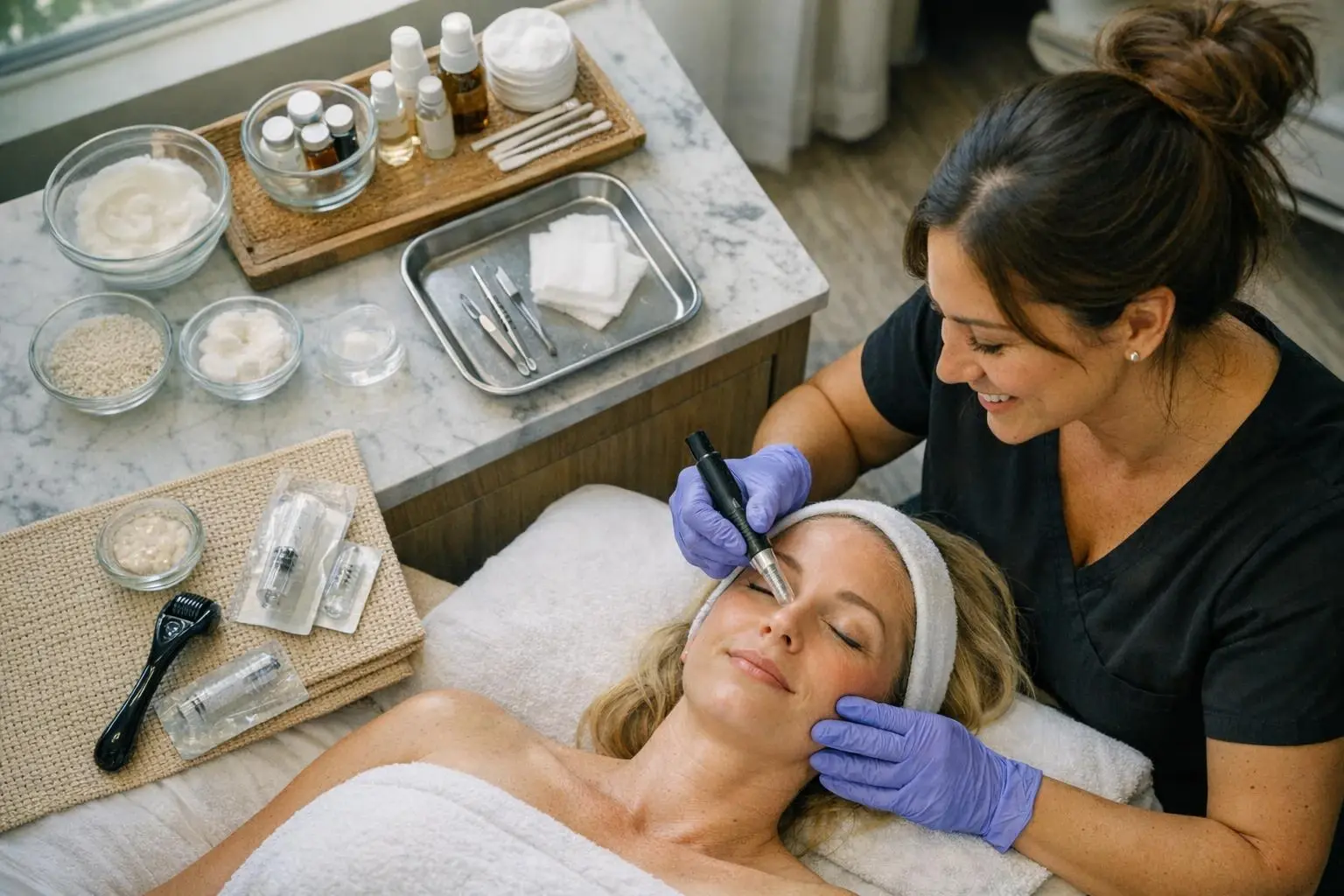
Microneedling, also known as collagen induction therapy, is a skin treatment designed to improve appearance by encouraging the skin to repair itself. The procedure involves using a device with fine needles to create controlled punctures in the skin’s surface. These tiny injuries are not deep enough to cause damage but are sufficient to stimulate the body’s natural wound-healing response. As the skin heals, it produces new collagen and elastin, proteins that keep skin firm, smooth. And youthful.
Related glossary terms: Collagen Induction Therapy, Dermaplaning, Microdermabrasion.
Microneedling is most commonly used on the face but can be applied to other areas of the body, such as the neck, hands. Or décolletage. It's effective for addressing a variety of skin concerns, including acne scars, stretch marks, fine lines, wrinkles. And uneven skin tone. Unlike more aggressive treatments, microneedling has minimal downtime, making it a popular choice for those seeking noticeable improvements without prolonged recovery.
The microneedling process begins with a thorough cleansing of the skin to remove dirt, oil. And makeup. A topical numbing cream is often applied to cut down on discomfort during the procedure. The practitioner then uses a handheld device, such as a dermaroller or a motorized pen-like tool, to create tiny punctures in the skin. The depth of the needles can be adjusted based on the specific skin concern being treated, with deeper penetration used for scars and shallower settings for fine lines or texture issues.
After the procedure, the skin may appear red and feel slightly warm, similar to a mild sunburn. This reaction is temporary and typically subsides within 24 to 48 hours. Over the following weeks, the skin’s natural healing process kicks in, producing new collagen and elastin fibers. This results in improved skin texture, reduced appearance of scars and wrinkles. And a more even skin tone. Multiple sessions are usually recommended for optimal results, spaced about 4 to 6 weeks apart to allow the skin to fully heal and regenerate between treatments.
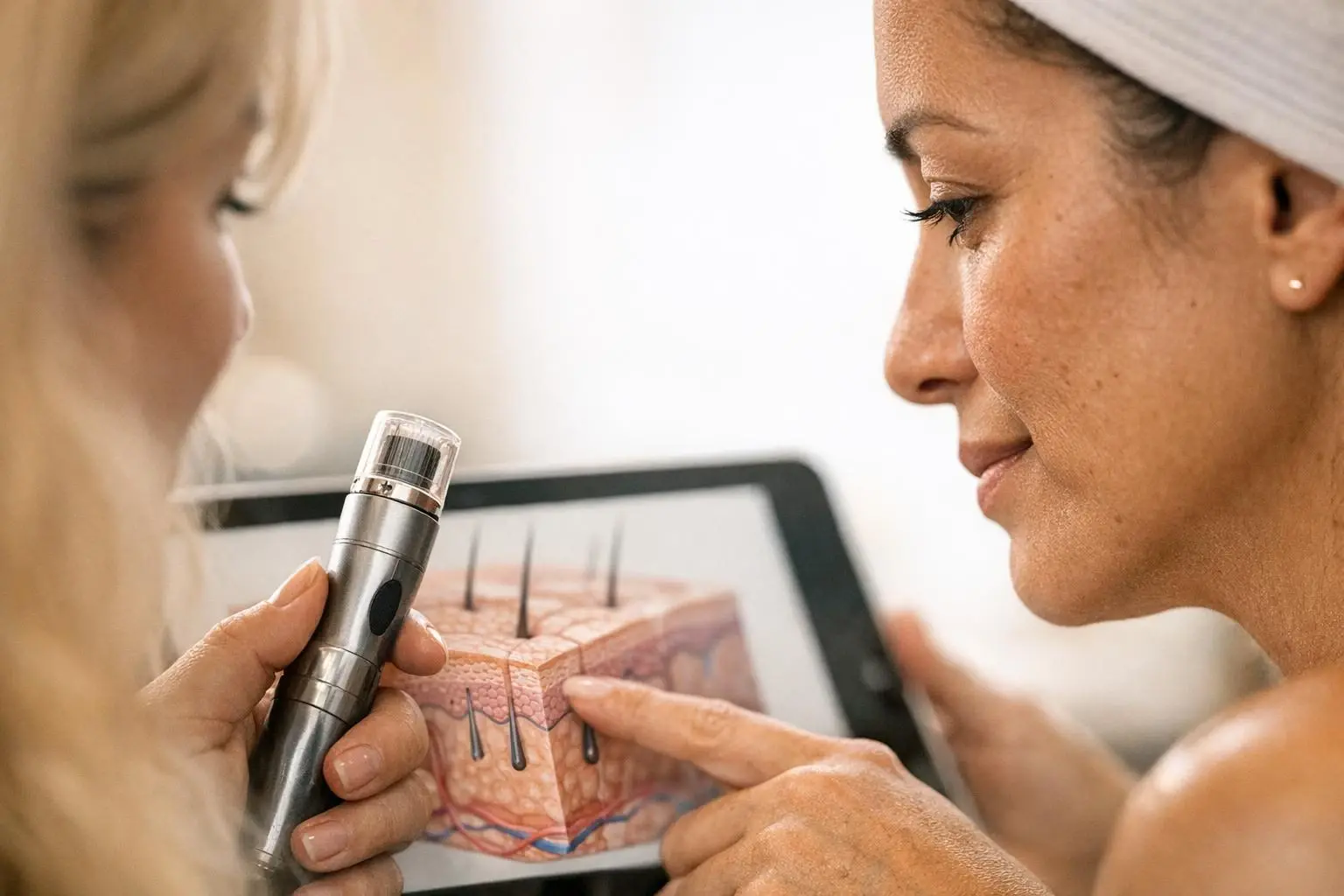
Microneedling matters because it offers a non-surgical, drug-free way to rejuvenate the skin and address common signs of aging or damage. Unlike laser treatments or chemical peels, microneedling works with the body’s natural healing processes, making it suitable for a wide range of skin types, including those with darker skin tones who may be at higher risk of pigmentation issues with other treatments. The procedure is also versatile, capable of treating multiple concerns in a single session, such as reducing acne scars while improving fine lines and skin texture.
Another key benefit of microneedling is its ability to boost the absorption of skincare products. The micro-channels created during the procedure allow serums, growth factors. Or other active ingredients to penetrate deeper into the skin, increasing their effectiveness. This makes microneedling a valuable addition to a full skincare regimen, particularly for those using medical-grade or professional skincare products.
Microneedling is particularly valuable for individuals looking to improve their skin’s appearance without undergoing invasive procedures or lengthy recovery times. It is an ideal option for those with early signs of aging, such as fine lines or mild sun damage, as well as for people dealing with acne scars, stretch marks. Or uneven skin texture. The procedure is also beneficial for individuals who want to boost the results of their at-home skincare routine by boosting the effectiveness of serums and treatments.
In a professional setting, microneedling is often recommended as part of a preventive or corrective skincare plan. For example, it can be combined with other treatments like chemical peels or LED light therapy to address multiple skin concerns simultaneously. In regions with high sun exposure, such as West Palm Beach, FL, microneedling can help repair sun damage and improve skin resilience, making it a relevant option for clients seeking to maintain healthy, youthful-looking skin year-round.
Dermaplaning uses a surgical blade to exfoliate dead skin and remove fine facial hair. While microneedling creates tiny punctures to stimulate collagen production.
Microdermabrasion is a superficial exfoliation treatment that removes the outermost layer of dead skin, whereas microneedling penetrates deeper to trigger skin renewal.
Chemical peels use acids to remove damaged skin layers. While microneedling relies on physical punctures to stimulate natural healing.
Microneedling is most effective when tailored to the individual’s skin type and concerns. Needle depth, device selection. And post-treatment care play critical roles in achieving safe, consistent results. Always assess skin sensitivity and healing capacity before proceeding.
A client with mild acne scars and fine lines around the eyes undergoes a microneedling session. After the procedure, their skin appears slightly red but feels smooth. Over the next few weeks, the scars fade. And the skin looks firmer as collagen production increases, reducing the appearance of wrinkles.
Collagen Induction Therapy is a minimally invasive skin treatment that uses fine needles to create tiny punctures in the skin. These micro-injuries stimulate the body’s natural healing process, boosting collagen and elastin production to improve skin texture, reduce scars.
Dermaplaning is a non-invasive exfoliation treatment that uses a sterile surgical scalpel to gently scrape away dead skin cells and fine vellus hair (peach fuzz) from the face. This process reveals smoother, brighter skin, improves product absorption. And reduces the appearance of fine lines, acne scars. And dullness without chemicals or downtime.
Microdermabrasion is a non-invasive skin-resurfacing treatment that gently exfoliates the outer layer of dead skin cells using fine crystals or a diamond-tipped wand. It improves skin texture, reduces fine lines. And minimizes pores by stimulating cell turnover and collagen production, leaving skin smoother and brighter.
Hyperpigmentation is a common skin condition where patches of skin become darker than the surrounding area due to excess melanin production. It can result from sun exposure, hormonal changes, inflammation. Or skin injuries. While usually harmless, it often affects appearance and may signal underlying skin health concerns.
Skin Elasticity is the ability of skin to stretch and return to its original shape without sagging or wrinkling. It relies on proteins like collagen and elastin, which provide structure and flexibility. Healthy elasticity keeps skin firm, smooth. And youthful. While loss of elasticity leads to visible signs of aging such as fine lines and loose skin.
Posh Boutique WPB
Contact Posh Boutique WPB for practical guidance on Microneedling and related beauty salon work in West Palm Beach.