Sebum is an oily, waxy substance produced by sebaceous glands in the skin. Sebum lubricates, waterproofs. And protects the skin and hair by preventing dryness and providing a barrier against bacteria and fungi. Overproduction or underproduction of sebum can lead to skin issues like acne or dryness.
Term
Sebum
SEO context
Used in beauty salon planning, audits. And reporting.
Best practice
Pair the definition with examples and credible sources.
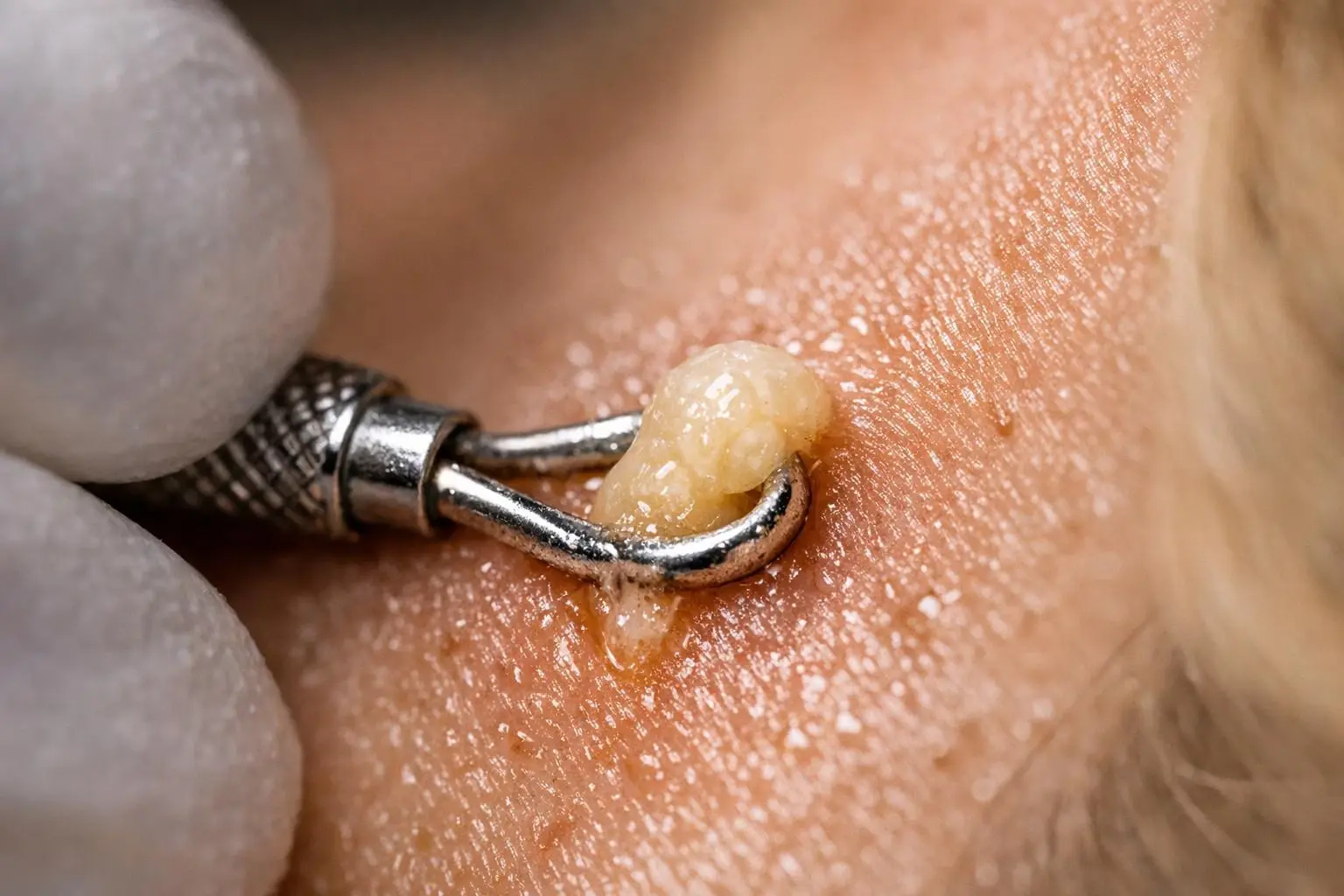
Sebum is a natural oil. Tiny glands near hair roots make it. These glands sit in your skin.
Most glands are on your face, scalp. And upper back. Sebum keeps skin and hair safe. It protects them from dry air and dirt.
Sebum is made of fats and oils. These fats help skin stay soft. They also block harm from wind and pollution.
Hormones control how much sebum you make. Testosterone is one of these hormones. It tells glands to make more oil.
Teens often make too much sebum. This happens during puberty. That's why many teens get acne.
Sebum levels change all your life. Stress, food, weather. And skin care affect it. Too much or too little sebum causes problems.
Sebum comes out through tiny holes. These holes are called pores. Pores connect to the oil glands.
On the skin, sebum mixes with sweat. This mix forms a thin layer. The layer is called the acid mantle.
The acid mantle keeps skin slightly sour. A good pH is between 4.5 and 6.2. This sourness fights bad germs.
Germs can't live well on sour skin. So the acid mantle protects you. It stops bacteria and fungi from growing.
Sebum also stops water from leaving skin. This is called TEWL (water loss from skin). Sebum locks in moisture.
Moisture keeps skin soft. But too much sebum causes trouble. It can clog pores with dead skin.
Clogged pores make blackheads and whiteheads. These are called comedones. Too much sebum can also cause acne.
But too little sebum is bad too. Skin gets dry and cracks. Cracked skin can get irritated or infected.
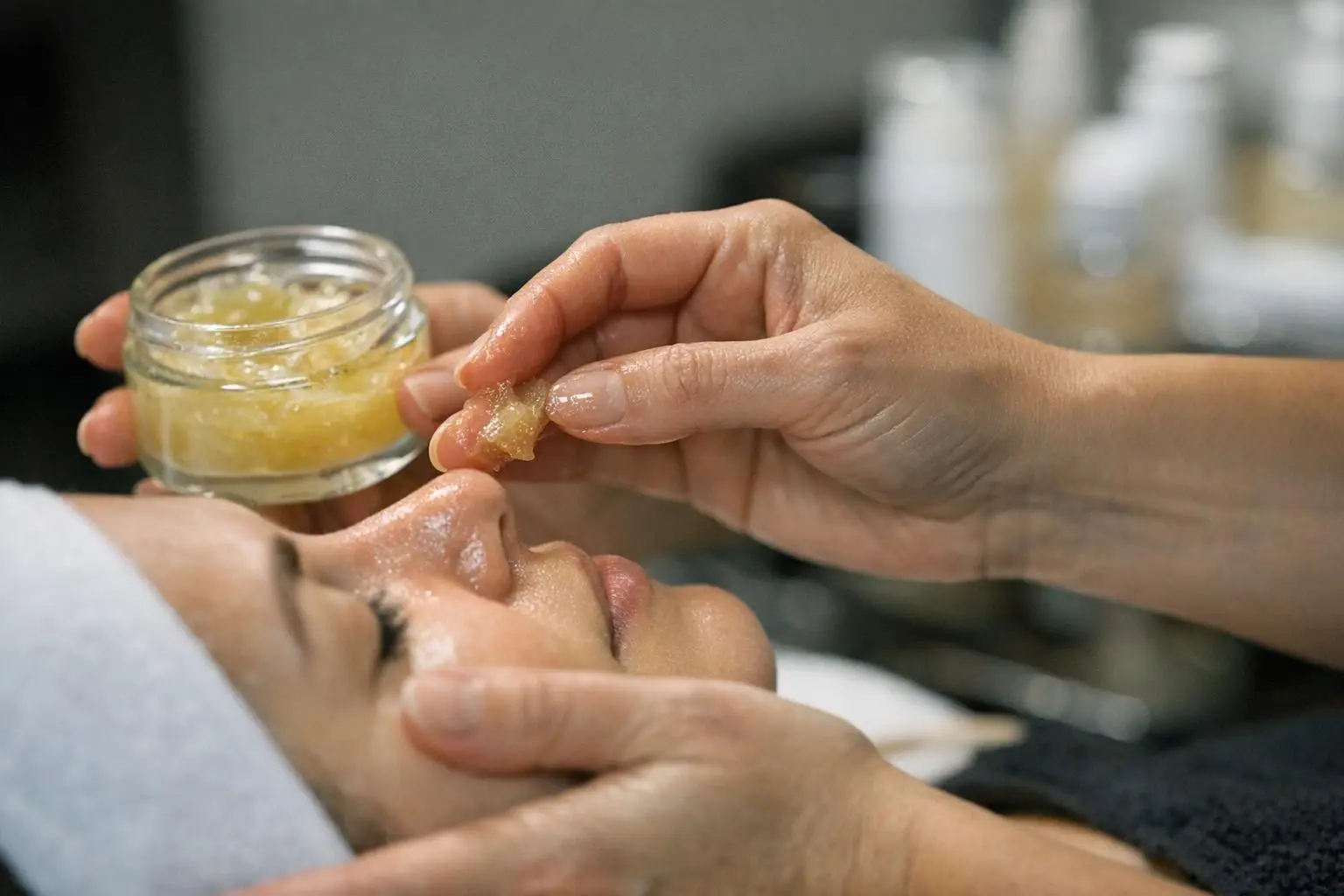
Sebum is key for healthy skin. Without it, skin gets dry and weak. It can't fight germs, sun. Or dirt.
Good sebum keeps skin stretchy. It stops wrinkles early. It also helps skin heal fast.
People with oily skin focus on sebum. Too much oil can cause pimples. It can make skin red and sore.
Knowing about sebum helps pick skin care. Oily skin needs light moisturizers. They should not clog pores.
Dry skin needs thick creams. These add oil that skin lacks. The right products keep skin balanced.
Balanced skin has fewer problems. It avoids acne, rashes. And dryness. Good care helps skin stay healthy.
Sebum matters more at some times. Hormones, weather. And skin care change it. Teens often make too much sebum.
This happens during puberty. Too much oil can cause acne. Women may see changes too.
Periods, pregnancy. And menopause change hormones. These changes affect sebum. Weather also plays a part.
Hot, humid places like West Palm Beach make more oil. Skin gets shinier. Cold, dry places do the opposite.
Skin gets dry and flaky. Skin care should match the weather. Some medicines change sebum too.
Hormone pills and acne drugs affect oil. You may need special skin care. Here are times sebum needs attention:
Sebum production varies widely among individuals and is influenced by genetics, hormones. And environment. Over-cleansing or using harsh products can disrupt the skin's natural sebum balance, leading to rebound oiliness or dryness. A gentle, consistent skincare routine often yields the best results.
During a hot, humid summer in West Palm Beach, FL, a client notices their skin becoming oilier and more prone to breakouts. A skincare professional might recommend a lightweight, oil-free moisturizer and a gentle cleanser to help regulate sebum production without stripping the skin.
Posh Boutique WPB
Contact Posh Boutique WPB for practical guidance on Sebum and related beauty salon work in West Palm Beach.