Skin Elasticity is the ability of skin to stretch and return to its original shape without sagging or wrinkling. It relies on proteins like collagen and elastin, which provide structure and flexibility. Healthy elasticity keeps skin firm, smooth. And youthful. While loss of elasticity leads to visible signs of aging such as fine lines and loose skin.
Category
Skin health and aging
Used for
Assessing skin firmness and anti-aging needs
Common confusion
Often mistaken for skin hydration or thickness
Also called
Skin Firmness, Skin Resilience
Often discussed with
Anti-Aging Facials, Natural Rejuvenation Treatments
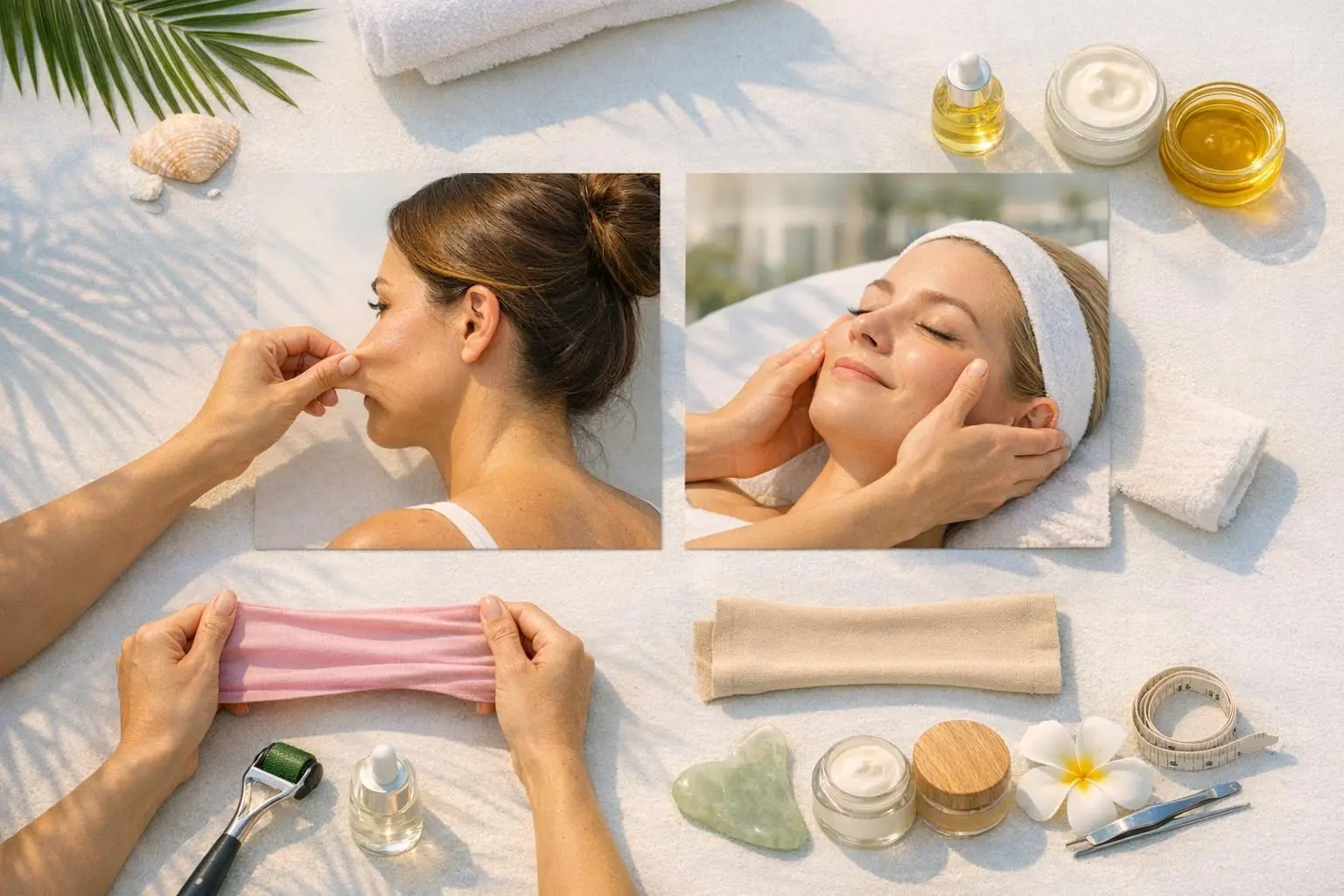
Skin Elasticity refers to the skin’s ability to stretch and bounce back to its original form. This property is crucial for maintaining a smooth, youthful appearance. Two key proteins, collagen and elastin, work together within the dermis—the middle layer of skin—to provide strength and flexibility. Collagen acts like scaffolding, giving skin its structure. While elastin allows skin to stretch and recoil, much like a rubber band.
Related glossary terms: Collagen Induction Therapy, Dermis, Retinoids.
As people age, the production of collagen and elastin slows down. And existing fibers can break down. This natural process reduces skin elasticity, leading to sagging, wrinkles. And a loss of facial contours. External factors such as sun exposure, smoking, poor nutrition. And dehydration can accelerate this decline. Understanding skin elasticity helps individuals and professionals assess skin health and choose appropriate skincare or treatments.
Skin Elasticity is determined by the quality and quantity of collagen and elastin fibers in the dermis. These fibers form a dense network that supports the skin’s structure. When skin is stretched—such as during facial expressions or movements, the elastin fibers allow it to expand temporarily. Once the tension is released, the fibers help the skin snap back into place. Collagen provides the necessary support to prevent overstretching and sagging.
Several methods can measure skin elasticity. Though they're typically used in clinical or research settings. One common technique is a suction device that gently pulls the skin upward and measures how quickly it returns to its original position. Another method involves using ultrasound or imaging technology to assess the density and organization of collagen and elastin fibers. While these tools are not commonly found in salons, professionals can visually evaluate elasticity by observing how skin responds to gentle pinching or pulling.
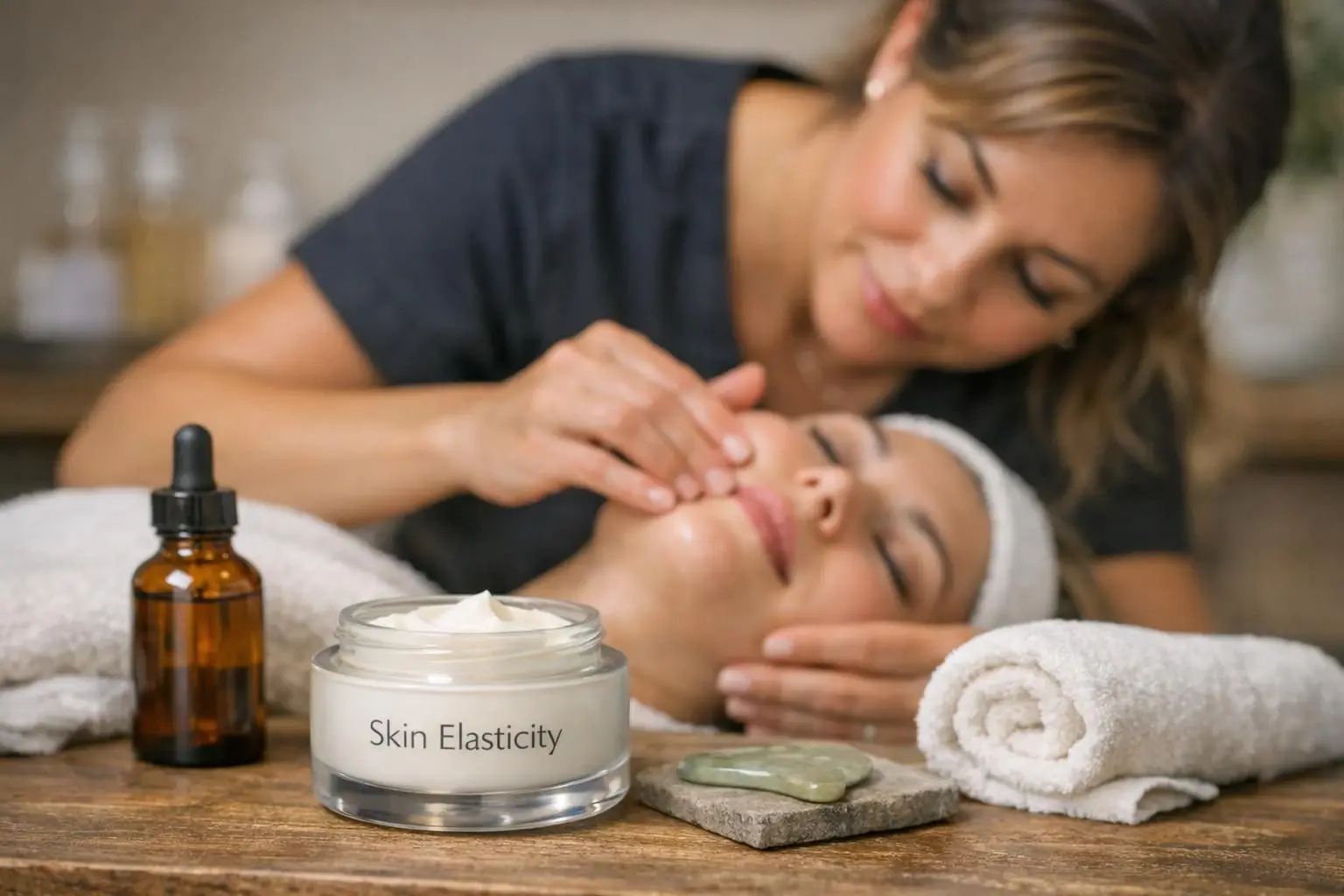
Skin Elasticity is a key indicator of overall skin health and aging. High elasticity means skin looks plump, firm. And resilient. While low elasticity contributes to common signs of aging, such as wrinkles, jowls. And hollowed cheeks. Maintaining good elasticity can delay the need for invasive procedures like facelifts and improve the effectiveness of non-surgical treatments like facials, chemical peels. And microneedling.
For skincare professionals, assessing elasticity helps tailor treatments to a client’s specific needs. For example, clients with reduced elasticity may benefit from collagen-boosting therapies. While those with moderate elasticity might focus on preventive skincare. Understanding elasticity also allows professionals to set realistic expectations for results, as some factors, like genetics and age, can't be fully reversed.
Skin Elasticity becomes especially important in several situations. During aging, elasticity naturally declines, making it a priority for individuals in their 30s and older who want to maintain a youthful appearance. Sun exposure is another critical factor; ultraviolet (UV) rays break down collagen and elastin. So people who spend time outdoors, particularly in sunny climates, need to monitor their skin’s elasticity closely.
Elasticity also matters when choosing skincare products or treatments. Ingredients like retinoids, peptides. And vitamin C can support collagen production. While treatments like microneedling or radiofrequency therapy stimulate the skin to rebuild elastin and collagen. And professionals may consider elasticity when recommending facial massage techniques or non-invasive rejuvenation treatments, as these can improve circulation and support skin firmness.
In West Palm Beach, FL, where warm weather and sun exposure are year-round concerns, maintaining skin elasticity is particularly important. Beauty salons and skincare professionals in the area often focus on hydration, sun protection. And collagen-boosting treatments to help clients preserve their skin’s youthful resilience.
Skin Hydration refers to the water content in the skin, which keeps it plump and smooth. Elasticity, however, depends on collagen and elastin fibers. Hydrated skin can still lack elasticity if these proteins are damaged.
Collagen is a structural protein that provides strength to the skin. Elasticity relies on both collagen and elastin, with elastin allowing the skin to stretch and bounce back.
Skin Elasticity is not just about appearance—it reflects the skin’s underlying health. While treatments can improve elasticity, prevention through sun protection, hydration. And a balanced diet is far more effective than trying to reverse damage later.
A 45-year-old client notices that her skin no longer feels as firm as it did in her 30s. After a gentle pinch test on her cheek, the skin takes a few seconds to return to normal. A skincare professional recommends a series of collagen-boosting facials and a retinoid-based skincare routine to help restore elasticity and improve her skin’s resilience over time.
Collagen Induction Therapy is a minimally invasive skin treatment that uses fine needles to create tiny punctures in the skin. These micro-injuries stimulate the body’s natural healing process, boosting collagen and elastin production to improve skin texture, reduce scars.
Dermis is the thick, middle layer of skin located between the outer epidermis and the deeper subcutaneous tissue. Dermis contains blood vessels, nerves, hair follicles, sweat glands, collagen, elastin. And connective tissue, providing strength, elasticity.
Retinoids are a class of chemical compounds derived from vitamin A that are used in skincare to promote cell turnover, reduce fine lines. And improve skin texture and tone. They work by stimulating collagen production and accelerating the shedding of dead skin cells, making them effective for treating acne, hyperpigmentation. And signs of aging.
Peptides are short chains of amino acids that act as building blocks for proteins like collagen and elastin in the skin. Peptides signal skin cells to produce more collagen, helping reduce fine lines, improve firmness. And support the skin’s natural repair process. They're commonly used in serums, creams.
Oxidative Stress is a harmful process that occurs when there is an imbalance between free radicals and antioxidants in the body. Free radicals are unstable molecules that can damage cells, proteins. And DNA. While antioxidants neutralize them. This imbalance can lead to aging, inflammation. And skin damage like wrinkles or dullness.
Posh Boutique WPB
Contact Posh Boutique WPB for practical guidance on Skin Elasticity and related beauty salon work in West Palm Beach.