Skin Resurfacing is a cosmetic procedure that removes the outermost layers of skin to reduce imperfections like wrinkles, scars, sun damage. Or uneven texture. It stimulates new skin cell growth and collagen production, resulting in smoother, more youthful-looking skin. Methods include lasers, chemical peels, dermabrasion.
Term
Skin Resurfacing
Category
Process
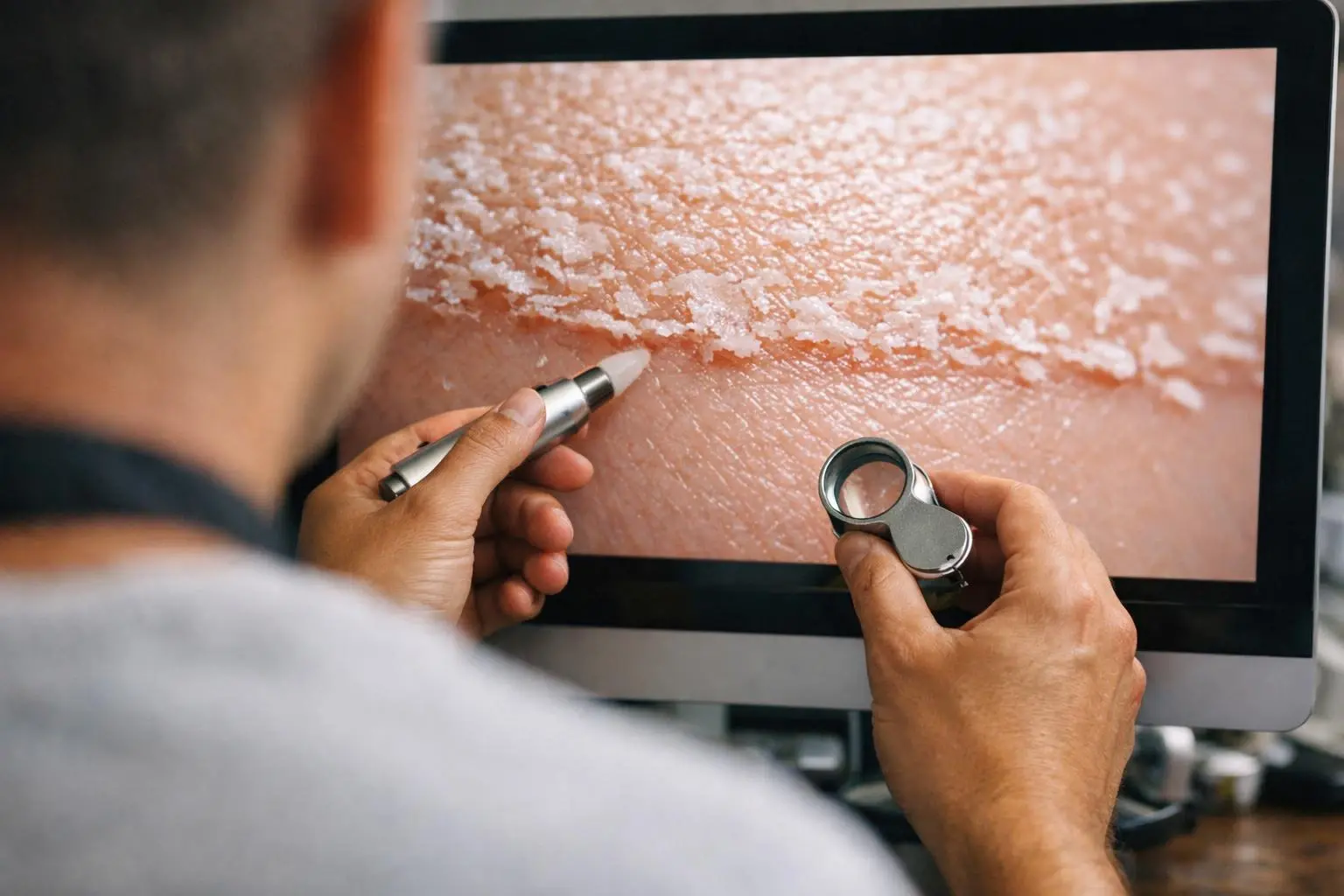
Skin Resurfacing makes skin look better. It removes damaged or uneven top layers.
Sun, age, acne. Or injury can harm skin. It may look dull or rough. Scars and wrinkles can show up.
This treatment helps your body make new skin cells. It also makes collagen (a skin protein). Both help skin look smooth and even.
Daily exfoliation only removes dead skin on top. Skin Resurfacing goes deeper. That gives better and longer results.
Different methods work for different skin problems. Each one fits certain skin types.
Chemical peels use acids to dissolve bad skin. Laser treatments use light to remove layers.
Dermabrasion and microneedling work by touching the skin. They help it heal and get better.
The method you pick depends on your skin issue. It also depends on your skin type. Recovery time matters too.
Mild peels need little or no downtime. Deeper treatments may take weeks to heal.
Skin Resurfacing works by hurting skin in a controlled way. This starts the body’s healing process.
The outer layers are removed or damaged. Skin then makes new cells and collagen.
Collagen is a protein. It gives skin its shape and stretch.
This process cuts fine lines and scars. It also fades dark spots. Skin looks fresh and young.
How deep the treatment goes changes the results. Superficial treatments help mild issues.
Deeper treatments fix bigger problems. These include deep wrinkles or acne scars.
Laser resurfacing is one common method. It uses strong light to remove skin layers.
Ablative lasers take off top layers. Non-ablative lasers work under the skin.
They help collagen grow without removing skin.
Chemical peels put a solution on the skin. It dissolves damaged cells.
Peels can be mild, like glycolic acid. Or strong, like trichloroacetic acid.
Microneedling uses tiny needles. They make small injuries. This helps skin heal and renew.
Each method has pros and cons. Talk to a skincare pro to pick the best one.
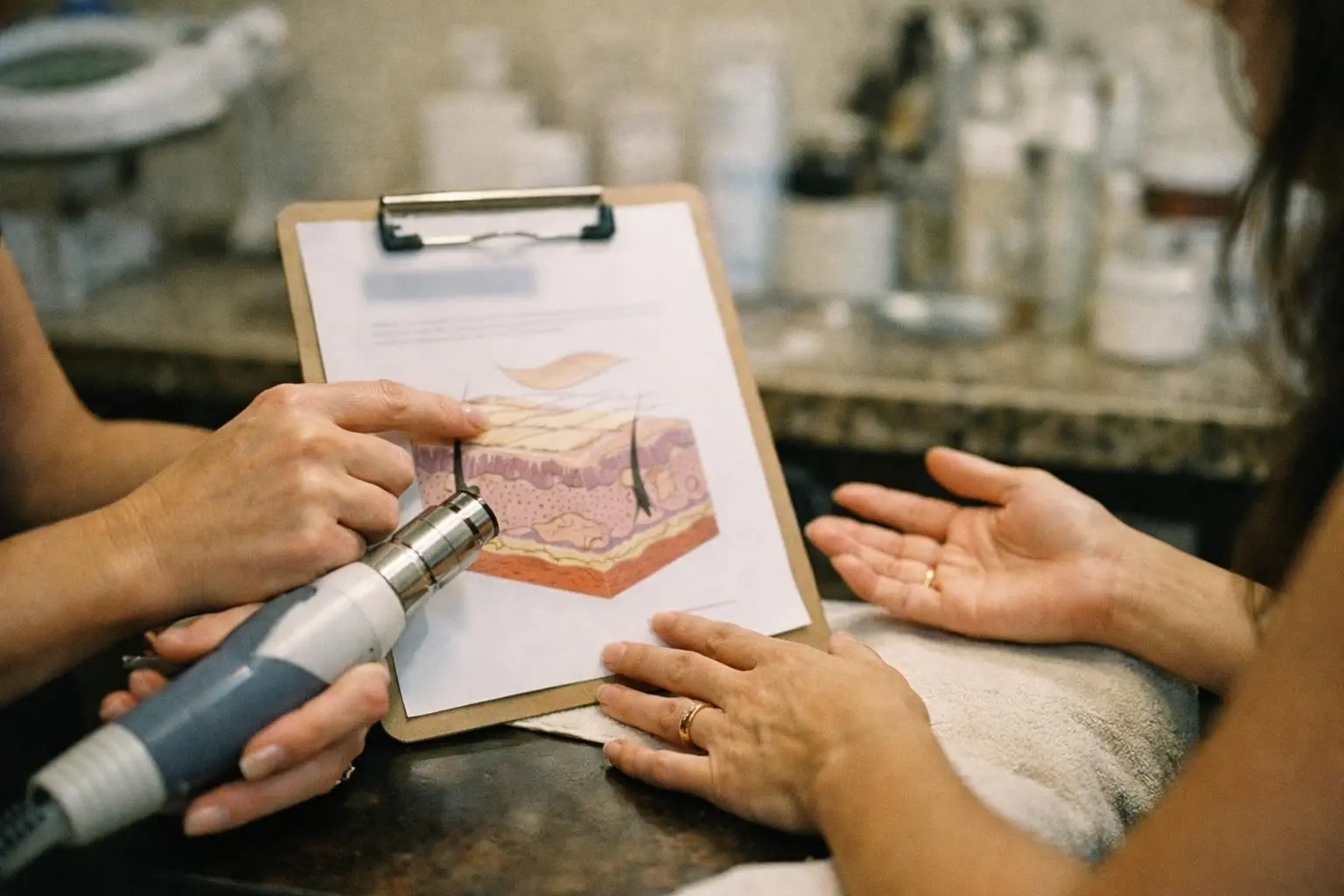
Skin Resurfacing helps with common skin problems. These can hurt confidence and comfort.
Many people have acne scars, sunspots. Or fine lines. These make skin look old or uneven.
Skincare products can help. But they work slowly. They may not give big results.
Skin Resurfacing removes bad layers. It helps new cells grow. This makes skin look better.
It improves texture, tone. And look. It’s good for people who want fresh skin. No surgery needed.
This treatment also helps skin stay healthy. Removing sun damage cuts cancer risks.
Treating acne scars can stop future breakouts. It unclogs pores and smooths skin.
But results depend on skin type and method. Aftercare is very important too.
Stay out of the sun. Use gentle products. This protects new skin and keeps results.
Without care, skin can get hurt or dark. That can undo the treatment’s benefits.
Skin Resurfacing helps people with aging signs. It also helps with sun damage or skin flaws.
Over-the-counter products may not work. Resurfacing can give better results.
It’s great for fine lines, wrinkles. Or acne scars. These can hurt self-esteem.
Someone with deep scars may see smoother skin. Sunspots may fade too.
It’s also good for special events. Like weddings or reunions. You’ll want skin to look its best.
Timing and skin type matter a lot. Lighter skin has fewer risks.
Darker skin may get dark spots (hyperpigmentation). Avoid resurfacing in peak sun months.
New skin is more sensitive. It can get damaged easier.
In West Palm Beach, FL, sun is strong all year. Protect skin before and after treatment.
A skincare pro can help decide. They’ll pick the best time for you.
They’ll also choose the right method. This depends on your needs and life.
Skin Resurfacing results depend heavily on the provider’s technique and the patient’s aftercare. Over-aggressive treatments can lead to scarring or pigment changes. While proper sun protection ensures long-lasting benefits.
After years of sun exposure, a client noticed dark spots and rough texture on their cheeks. Their esthetician recommended a series of mild chemical peels to resurface the skin. Over a few weeks, the spots faded.
Posh Boutique WPB
Contact Posh Boutique WPB for practical guidance on Skin Resurfacing and related beauty salon work in West Palm Beach.