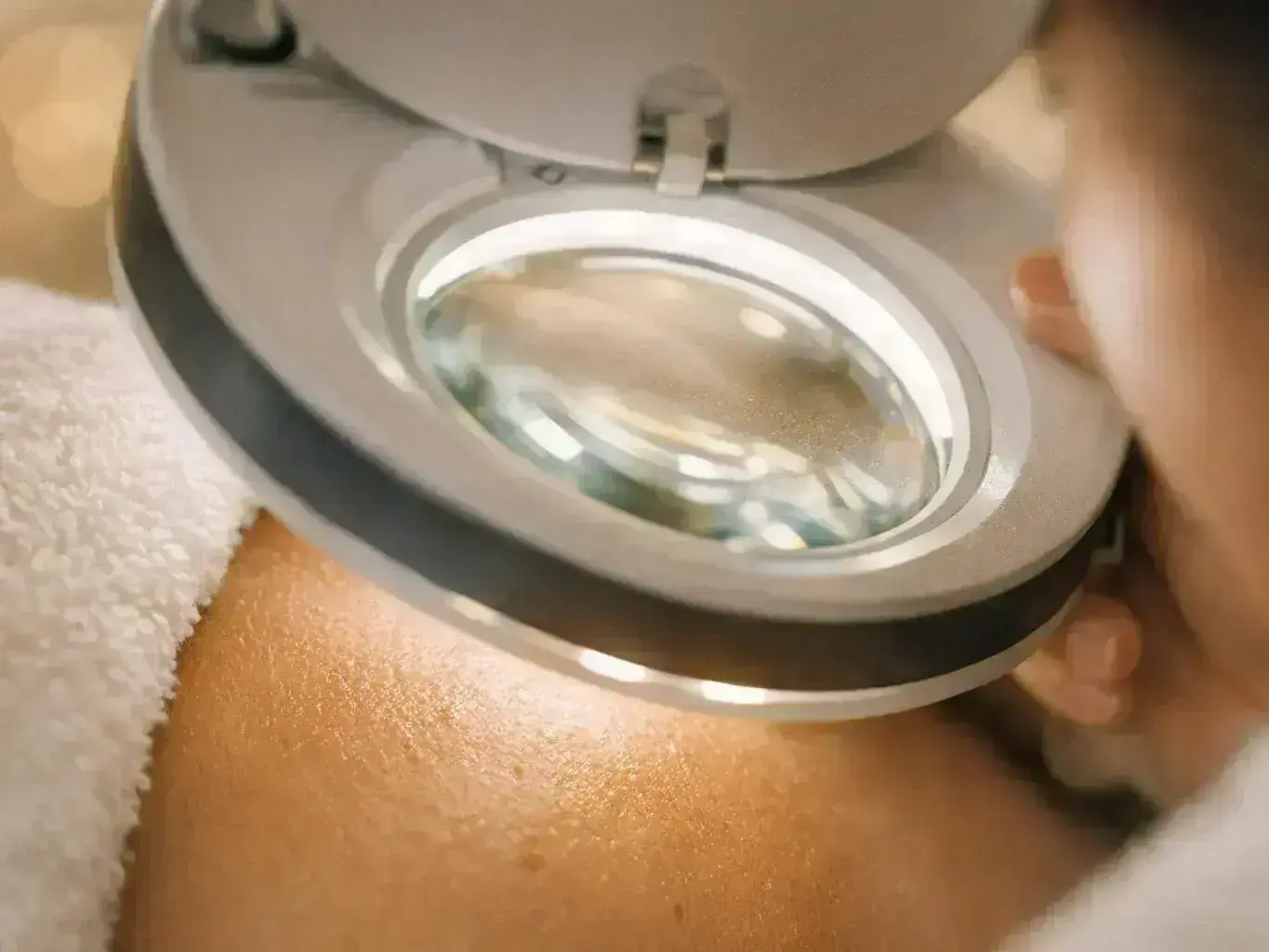
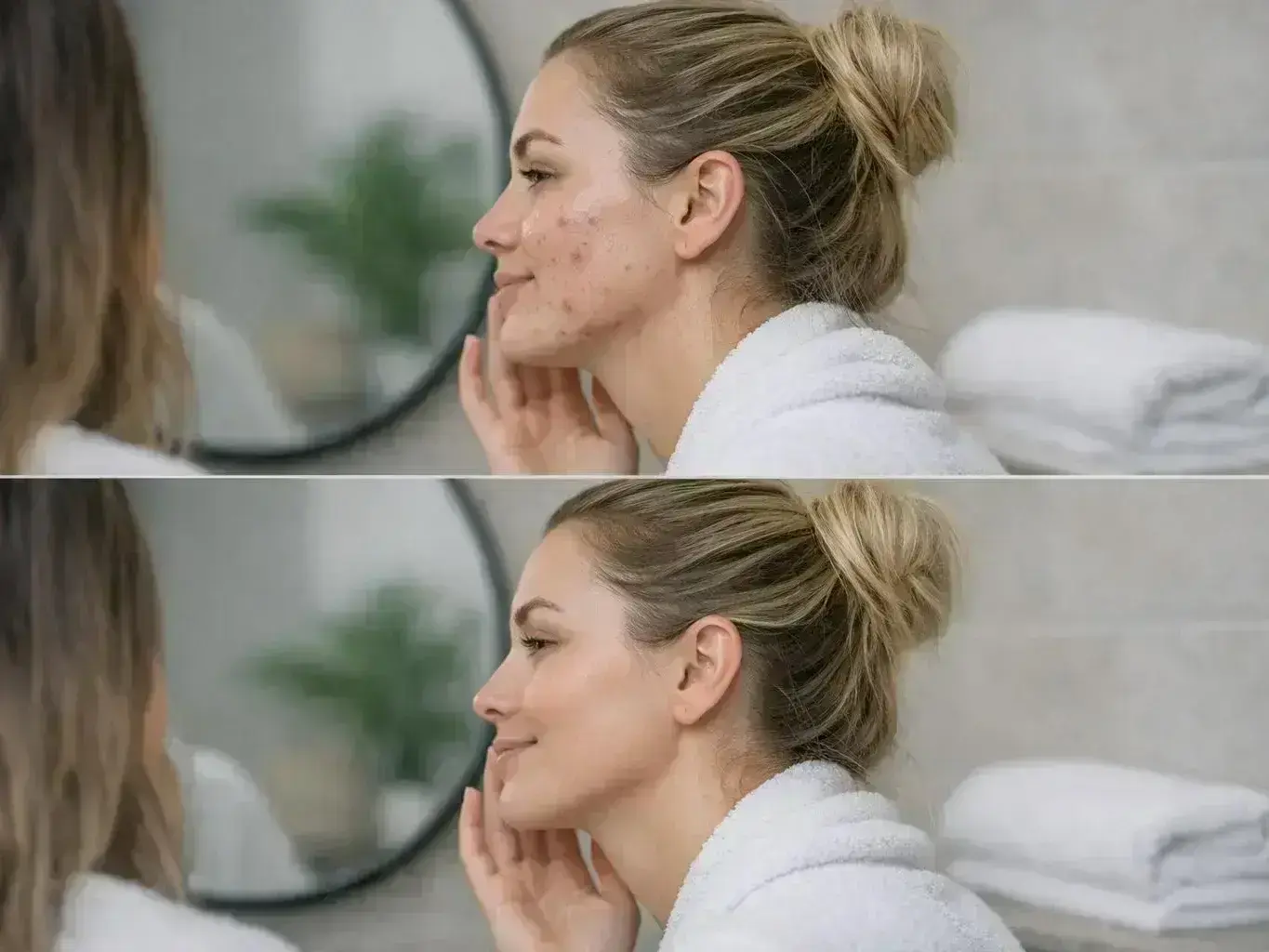
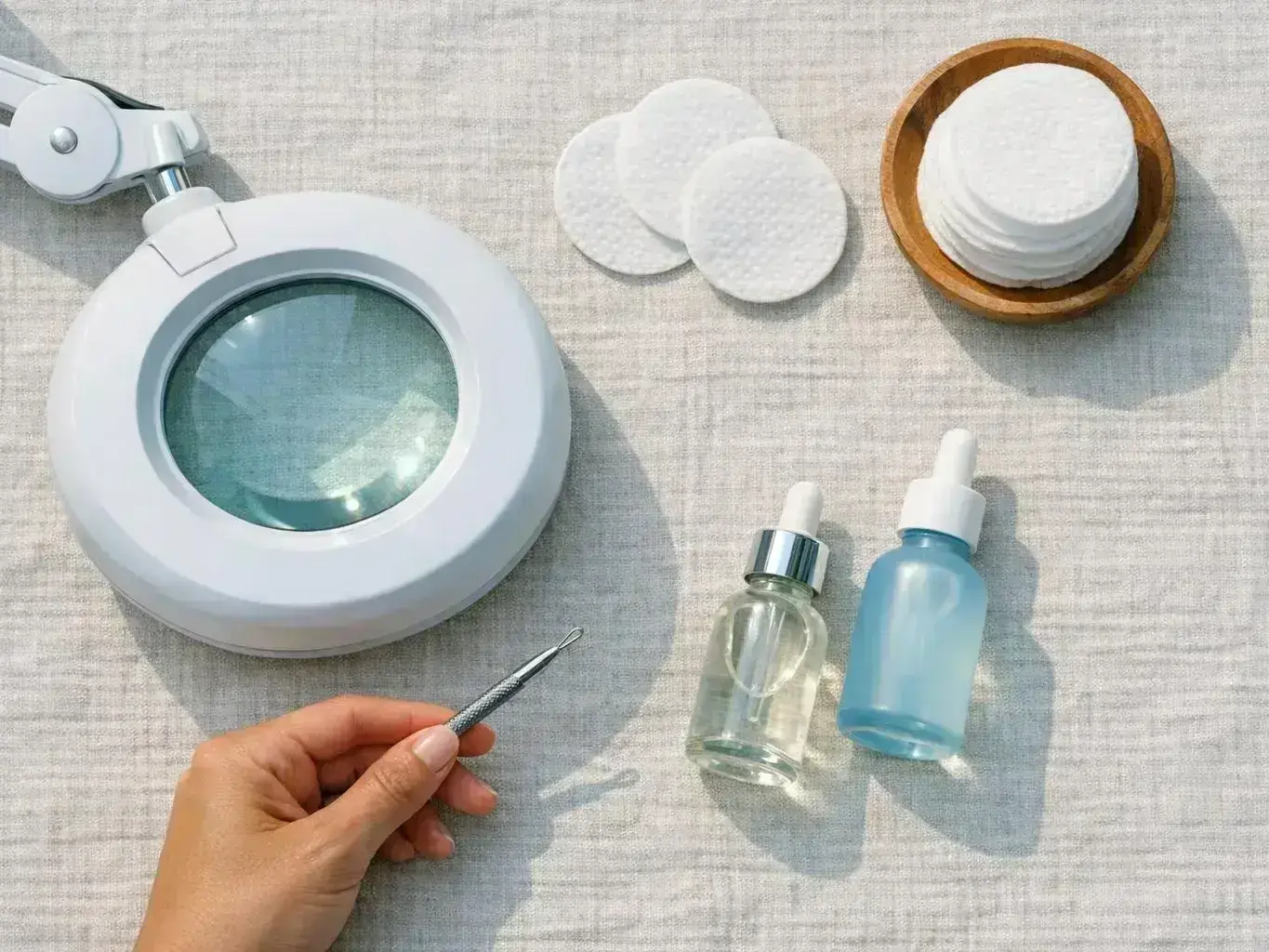
Trichloroacetic Acid is a strong chemical compound used in dermatology and skincare treatments, particularly for skin resurfacing and peels. It works by breaking down proteins in the skin, promoting exfoliation and the growth of new, healthier skin cells. Often abbreviated as TCA, it's available in varying concentrations to target different skin concerns like wrinkles, hyperpigmentation.
Term
Trichloroacetic Acid
Category
Definition
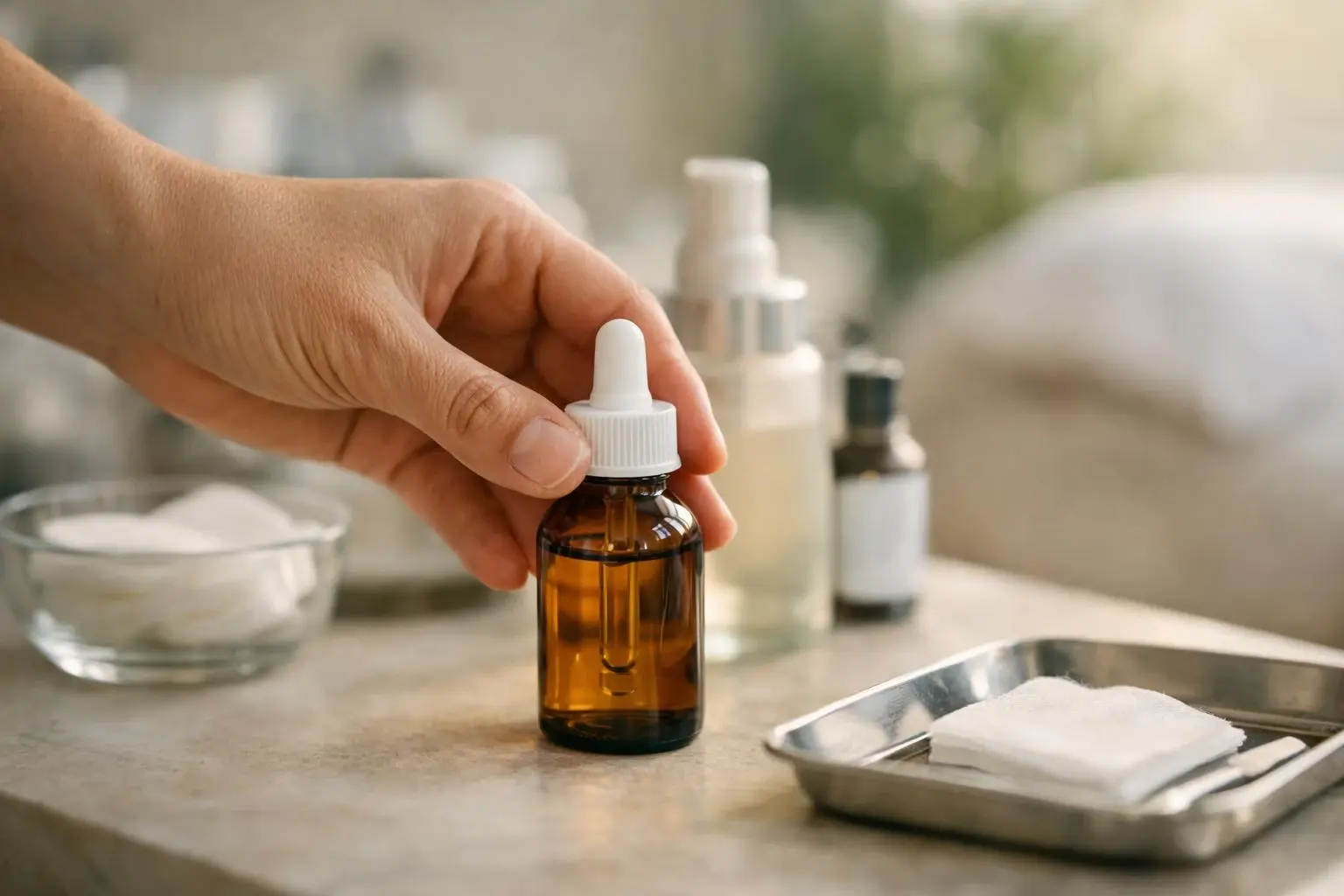
Trichloroacetic Acid, commonly known as TCA, is a chemical compound used in dermatology and skincare to treat a variety of skin concerns. Unlike milder acids like glycolic or lactic acid, TCA is stronger and penetrates deeper into the skin. This makes it effective for addressing issues such as wrinkles, sun damage. And acne scars. TCA works by causing controlled damage to the outer layers of the skin, which triggers the body’s natural healing process and leads to the growth of new, healthier skin cells.
TCA is typically used in professional settings, such as dermatology clinics or licensed beauty salons. Because its strength requires careful application. The acid is available in different concentrations, usually ranging from 10% to 50%, depending on the depth of the peel needed. Lower concentrations are used for superficial peels. While higher concentrations target deeper layers of the skin. Because of its potency, TCA peels are not recommended for at-home use, as improper application can lead to burns, scarring. Or other skin damage.
When applied to the skin, TCA causes a chemical reaction that breaks down the bonds between dead or damaged skin cells. This process, known as coagulation, leads to the peeling or shedding of the outer skin layers. The depth of the peel depends on the concentration of TCA used, the number of layers applied. And the skin’s sensitivity. For example, a 10% to 20% TCA solution may only affect the outermost layer of the skin. While a 30% to 50% solution can reach deeper layers, providing more dramatic results.
The skin’s response to a TCA peel typically occurs in stages. Immediately after application, the skin may feel tight or warm. And redness is common. Over the next few days, the skin may begin to peel or flake, similar to a sunburn. In practice, this peeling process is a sign that the skin is healing and regenerating. The entire healing process can take anywhere from 5 to 14 days, depending on the strength of the peel and the individual’s skin type. During this time, it's crucial to follow aftercare instructions, such as avoiding sun exposure and using gentle skincare products, to ensure proper healing.

TCA peels are valued in skincare because they can significantly improve the appearance of skin without the need for invasive procedures. They're particularly effective for treating hyperpigmentation, fine lines. And acne scars, making them a popular choice for individuals looking to rejuvenate their skin. Unlike laser treatments or surgery, TCA peels are relatively quick, with minimal downtime, making them accessible for people with busy lifestyles. And TCA peels can be customized to suit different skin types and concerns, providing a custom approach to skincare.
A common issue is Another reason TCA matters is its ability to stimulate collagen production. Collagen is a protein that gives skin its structure and elasticity. And its production naturally decreases with age. By promoting the growth of new skin cells and stimulating collagen, TCA peels help improve skin texture and firmness over time. This makes them a long-term solution for maintaining youthful-looking skin, rather than just a temporary fix.
TCA peels are most beneficial for individuals dealing with specific skin concerns that have not responded to milder treatments. For example, someone with deep acne scars or significant sun damage may find that over-the-counter products or superficial peels are not effective enough. In such cases, a TCA peel can provide more noticeable results by targeting deeper layers of the skin. And TCA peels are often recommended for people preparing for special events, such as weddings or reunions, as they can give the skin a refreshed and glowing appearance.
But TCA peels are not suitable for everyone. Individuals with darker skin tones may be at a higher risk of developing post-inflammatory hyperpigmentation, a condition where the skin darkens after treatment. People with active skin infections, eczema. Or rosacea should also avoid TCA peels, as the acid can exacerbate these conditions. Before undergoing a TCA peel, it is essential to consult with a skincare professional to determine if the treatment is appropriate and to discuss the expected outcomes and potential risks.
TCA peels require precise application and aftercare to avoid complications. Always perform a patch test first, especially for clients with sensitive or reactive skin.
A client visits a beauty salon in West Palm Beach with sun-damaged skin and fine lines. The esthetician recommends a 20% TCA peel to remove the outer layers of damaged skin. After the treatment, the client’s skin peels for about a week, revealing smoother, more even-toned skin underneath. The esthetician advises the client to wear sunscreen daily to protect the new skin and maintain the results.
Posh Boutique WPB
Contact Posh Boutique WPB for practical guidance on Trichloroacetic Acid and related beauty salon work in West Palm Beach.