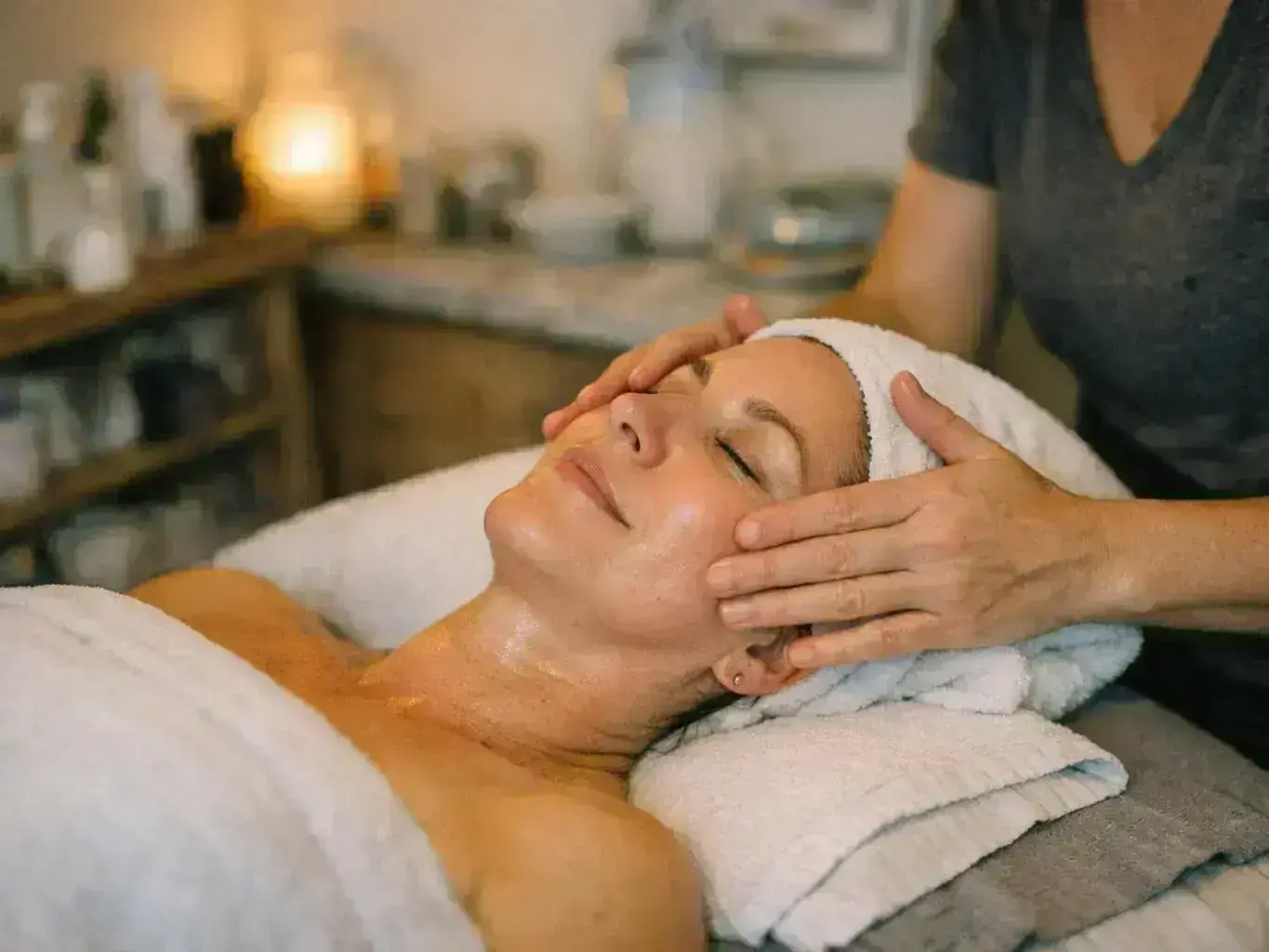
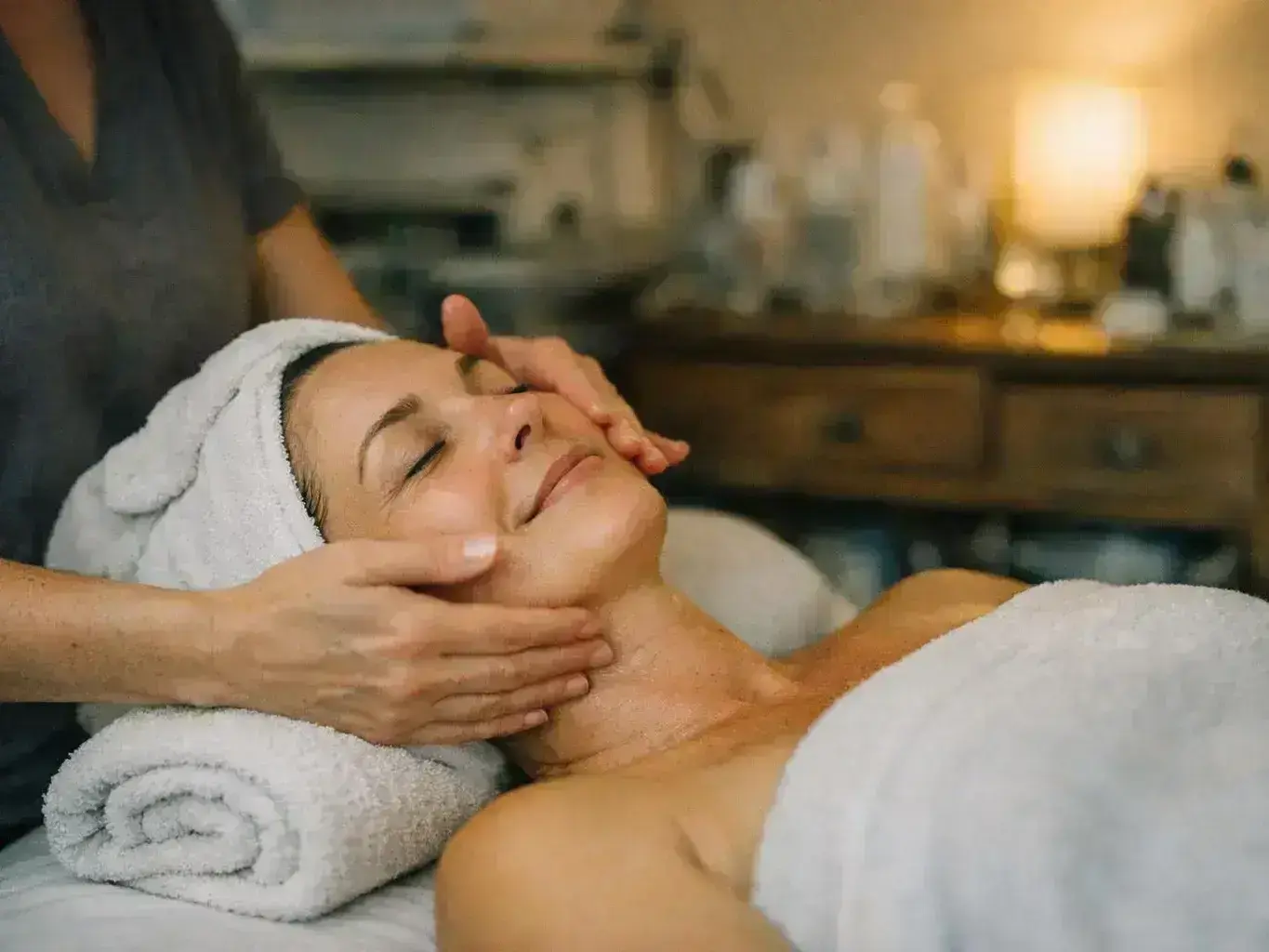
Collagen Induction is a minimally invasive skin-rejuvenation procedure that uses tiny needles to create controlled micro-injuries in the skin. These micro-injuries trigger the body’s natural healing response, stimulating collagen and elastin production to improve skin texture, reduce scars, fine lines. And wrinkles. And enhance overall skin firmness and elasticity.
Category
Skin rejuvenation treatment
Used for
Scar reduction, wrinkle smoothing, skin tightening
Common confusion
Often mistaken for traditional microneedling without collagen focus
Also called
Collagen Stimulation Therapy, Microneedling for Collagen
Often discussed with
Facials, Anti-Aging Facials
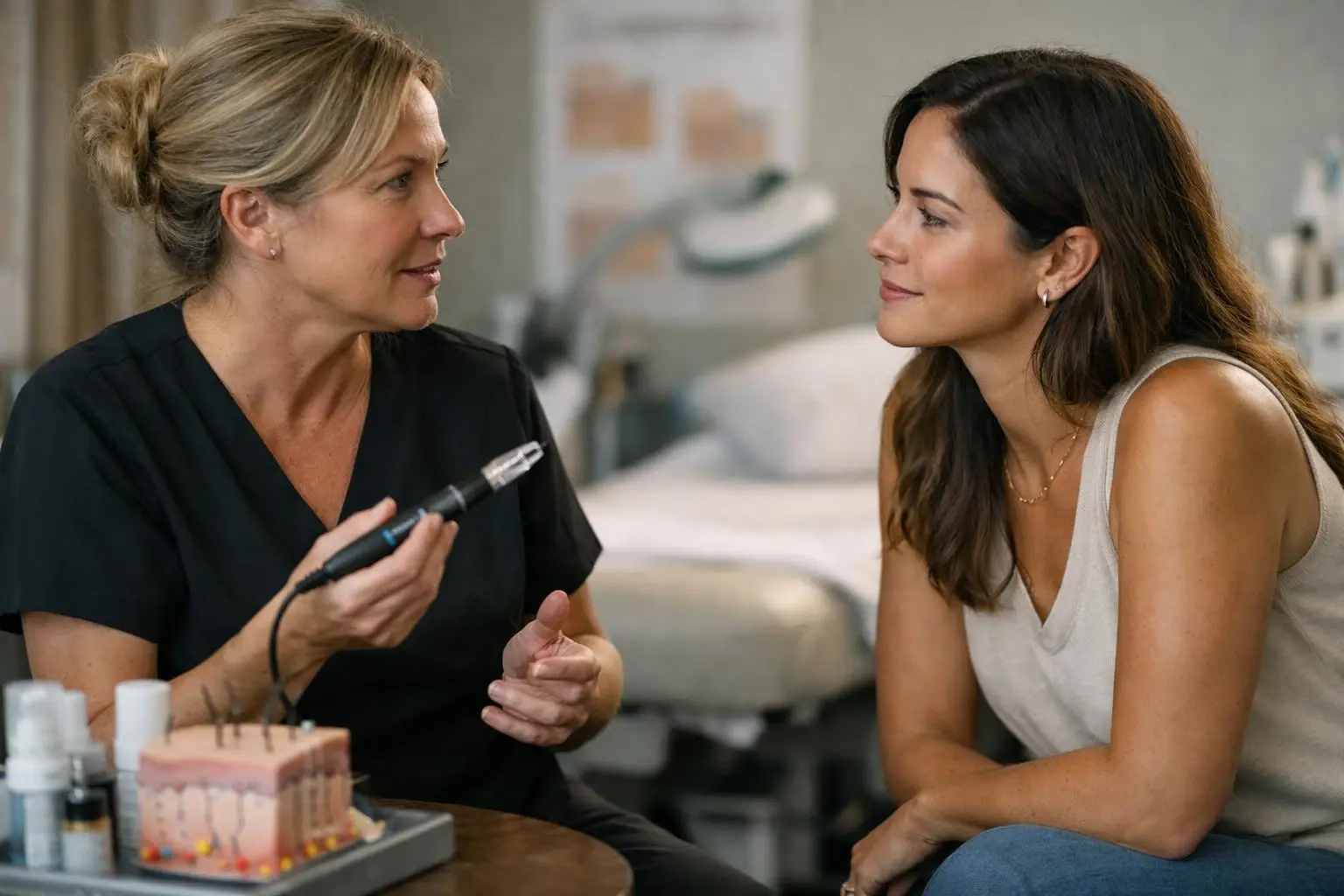
Collagen Induction is a cosmetic procedure designed to improve the appearance of skin by using the body’s natural healing mechanisms. The process involves using a device equipped with fine needles, typically ranging from 0.5 to 3 millimeters in length, to create tiny punctures in the skin’s surface. These controlled micro-injuries don't cause significant damage but are enough to stimulate the skin’s repair response. As the skin heals, it produces new collagen and elastin, two proteins essential for maintaining skin structure, elasticity. And youthfulness.
Related glossary terms: Microneedling, Skin Resurfacing, Skin Barrier.
Unlike more aggressive treatments like chemical peels or laser resurfacing, Collagen Induction is minimally invasive and generally requires little to no downtime. It's suitable for a wide range of skin types and can address concerns such as acne scars, stretch marks, fine lines, wrinkles. And uneven skin texture. The procedure is often performed by licensed estheticians or dermatologists in clinical or salon settings, ensuring safety and efficacy when done correctly.
The mechanism behind Collagen Induction is rooted in the skin’s natural wound-healing process. When the needles penetrate the skin, they create microscopic channels that trigger the release of growth factors. These growth factors signal the body to produce new collagen and elastin fibers, which help to plump and firm the skin over time. The depth of the needles can be adjusted based on the specific skin concern being treated. For example, deeper needle penetration may be used for scar reduction. While shallower penetration is often sufficient for improving fine lines or overall skin texture.
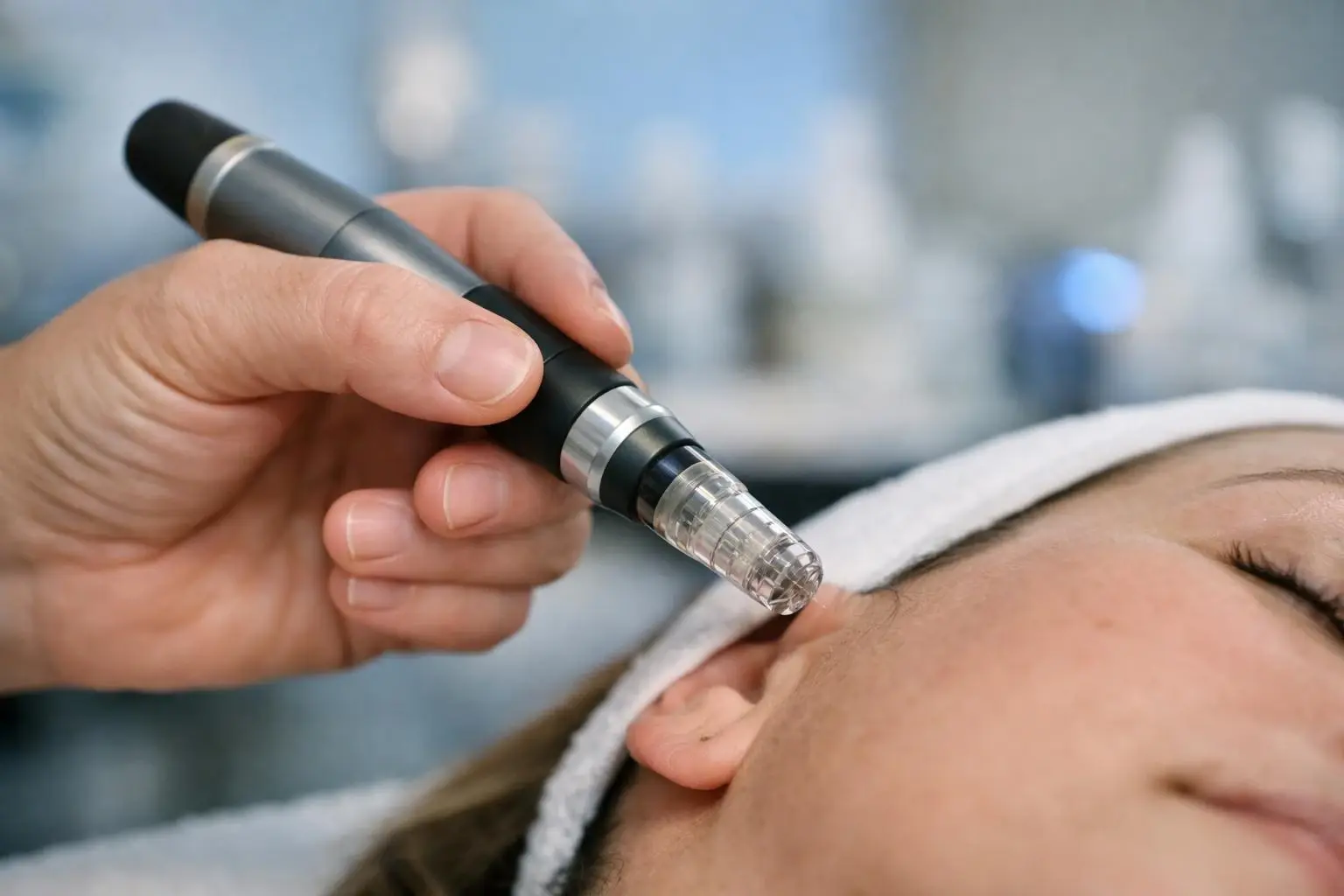
The procedure typically begins with a thorough cleansing of the skin, followed by the application of a topical numbing cream to cut down on discomfort. The device, which may be a manual roller or a motorized pen-like tool, is then passed over the skin in a systematic pattern. Sessions usually last between 30 to 60 minutes, depending on the size of the treatment area. After the procedure, the skin may appear red and feel slightly sensitive, similar to a mild sunburn. But these effects usually subside within a day or two. Multiple sessions are often recommended for optimal results, spaced about 4 to 6 weeks apart to allow the skin to heal and regenerate.
Collagen Induction matters because it offers a non-surgical solution for individuals looking to improve their skin’s appearance without undergoing invasive procedures. As we age, the natural production of collagen and elastin slows down, leading to common signs of aging such as wrinkles, sagging skin. And loss of firmness. By stimulating the skin’s own collagen production, Collagen Induction helps to restore a more youthful and refreshed appearance. It is particularly valuable for those who want to address specific skin concerns, such as acne scars or stretch marks, without resorting to more aggressive treatments that may require longer recovery times.
A common issue is Another key benefit of Collagen Induction is its versatility. It can be used on various parts of the body, including the face, neck, décolletage. And hands, making it a flexible option for full skin rejuvenation. And the procedure is customizable, allowing practitioners to tailor the needle depth and technique to suit the individual’s skin type and concerns. This adaptability makes it a popular choice for clients seeking personalized skincare solutions.
Collagen Induction is most beneficial for individuals who are noticing early signs of aging, such as fine lines, wrinkles. Or a loss of skin firmness. But are not ready or willing to undergo surgical procedures. It is also an excellent option for those dealing with acne scars, surgical scars. Or stretch marks, as the procedure helps to break down scar tissue and promote the growth of new, healthier skin cells. People with uneven skin texture or dull complexion may also see improvements, as the treatment encourages cell turnover and enhances skin radiance.
Timing is an important factor when considering Collagen Induction. The procedure is not recommended for individuals with active acne breakouts, open wounds. Or infections, as it could exacerbate these conditions. It is also not suitable for those with certain skin disorders, such as eczema or psoriasis. Or for individuals who are pregnant. A consultation with a qualified skincare professional is essential to determine whether Collagen Induction is the right choice based on skin type, medical history. And specific concerns. For those in sunny climates, like West Palm Beach, FL, it is especially important to follow post-treatment care instructions, such as using sunscreen, to protect the skin and maintain results.
Microneedling is a broader term that includes any procedure using needles to create micro-injuries. While Collagen Induction specifically focuses on stimulating collagen production for skin rejuvenation.
Chemical peels use acids to remove the top layers of skin. While Collagen Induction relies on needles to stimulate collagen without removing skin layers.
Laser resurfacing uses light energy to remove damaged skin, whereas Collagen Induction uses needles to trigger natural healing without removing skin.
Collagen Induction is most effective when combined with a consistent skincare routine, including hydrating serums and sunscreen. Results build gradually over several sessions. So patience and adherence to the treatment plan are key.
A client in West Palm Beach, FL, struggling with acne scars and fine lines, undergoes a series of Collagen Induction sessions. After three treatments spaced six weeks apart, they notice a visible reduction in scar depth and smoother skin texture, with minimal downtime between sessions.
Microneedling is a cosmetic procedure that uses fine needles to create tiny punctures in the top layer of skin. These controlled injuries stimulate the body’s natural healing process, boosting collagen and elastin production to improve skin texture, reduce scars. And minimize fine lines and wrinkles.
Skin Resurfacing is a cosmetic procedure that removes the outermost layers of skin to reduce imperfections like wrinkles, scars, sun damage. Or uneven texture. It stimulates new skin cell growth and collagen production, resulting in smoother, more youthful-looking skin. Methods include lasers, chemical peels, dermabrasion.
Skin Barrier is the outermost layer of the skin that acts as a protective shield against environmental damage, bacteria. And moisture loss. It consists of skin cells and lipids that work together to maintain hydration, prevent irritation. And keep the skin healthy. A strong skin barrier is essential for smooth, resilient. And glowing skin.
Hyaluronic Acid is a naturally occurring sugar molecule found in the skin, joints. And connective tissues that holds up to 1,000 times its weight in water. It helps keep skin hydrated, plump.
Posh Boutique WPB
Contact Posh Boutique WPB for practical guidance on Collagen Induction and related beauty salon work in West Palm Beach.