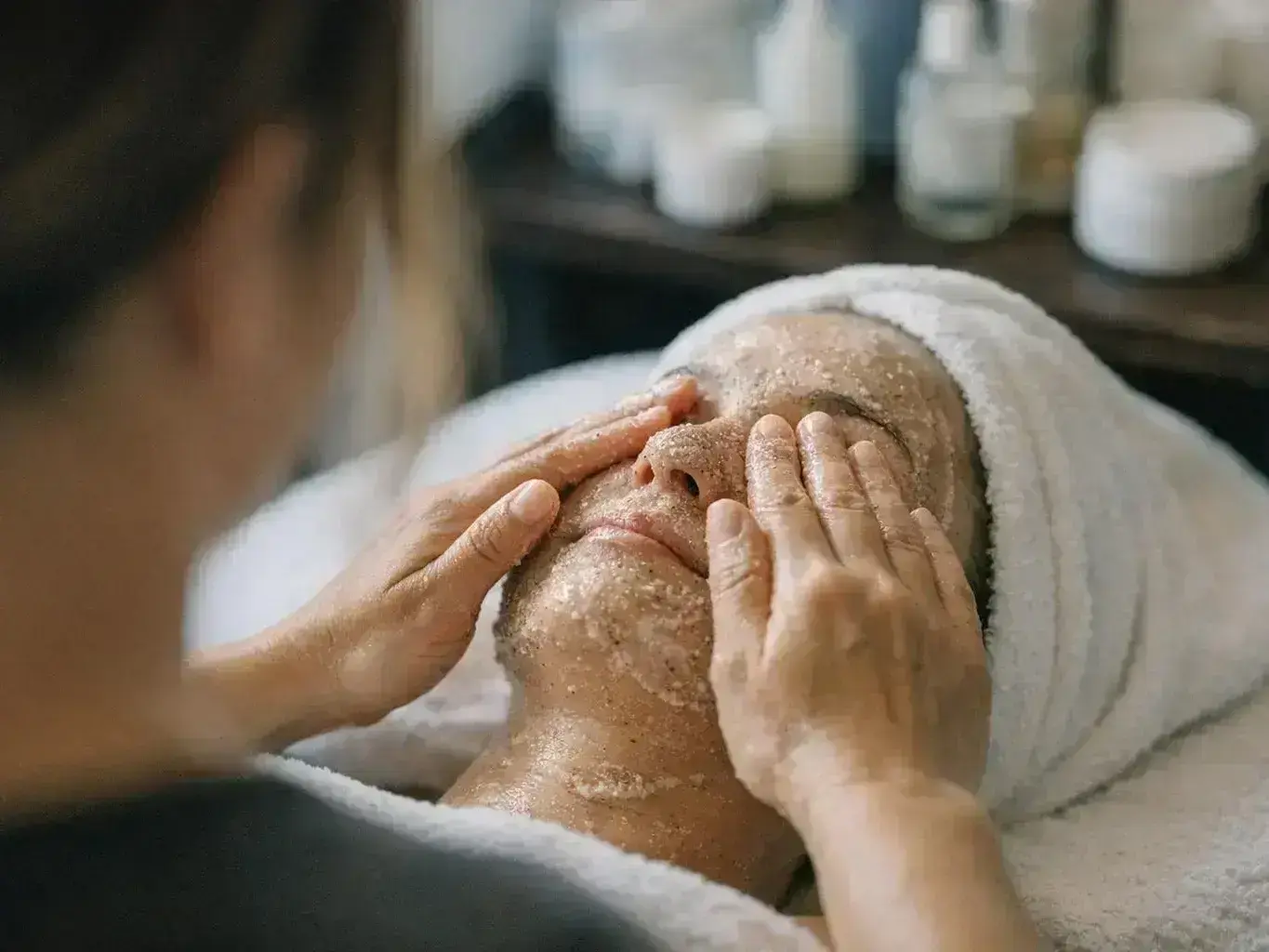
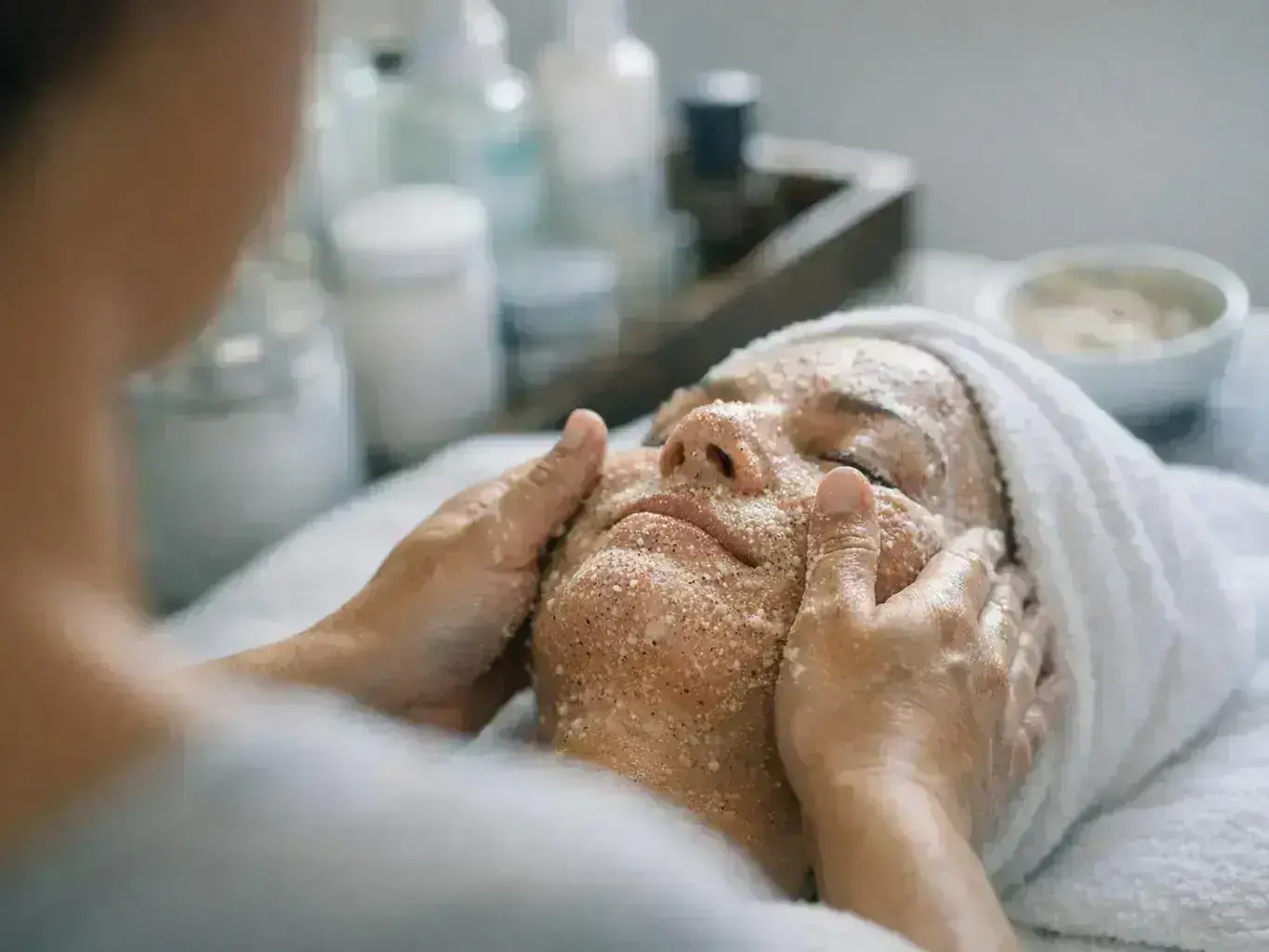
Comedogenic is a term used to describe ingredients or products that clog pores and promote the formation of comedones—blackheads and whiteheads. Comedogenic substances can block hair follicles, leading to acne breakouts, especially in individuals with oily or acne-prone skin. The term is commonly used in skincare to identify products that may worsen acne or congestion.
Category
Skincare ingredient classification
Used for
Identifying pore-clogging potential in products
Common confusion
Non-comedogenic does not guarantee acne prevention
Also called
Pore-clogging, Acne-causing
Often discussed with
Acne Treatment, Deep Cleansing Facials

Comedogenic refers to substances that have the potential to clog pores, leading to the formation of comedones—blackheads and whiteheads. These blockages occur when oil, dead skin cells. And debris accumulate in hair follicles, creating an environment where acne-causing bacteria can thrive. The term is widely used in the beauty and skincare industry to help consumers and professionals identify products that may contribute to acne or skin congestion.
Related glossary terms: Non-Comedogenic, Skin Barrier, Sebaceous Filaments.
Comedogenicity is not an all-or-nothing trait. Some ingredients are more likely to clog pores than others. And individual reactions can vary based on skin type, existing conditions. And environmental factors. For example, people with oily or acne-prone skin are more susceptible to comedogenic ingredients. While those with dry or mature skin may tolerate them better. Understanding comedogenicity helps in making informed choices about skincare and cosmetic products.
Comedogenic ingredients are often ranked on a scale from 0 to 5, with 0 being non-comedogenic (unlikely to clog pores) and 5 being highly comedogenic (very likely to clog pores). This scale is based on clinical testing, where ingredients are applied to the skin of human volunteers or rabbit ears (a common testing method) to observe pore blockage over time. While the scale provides a general guideline, it's not absolute—individual skin reactions can still vary.
Some common highly comedogenic ingredients include coconut oil, cocoa butter. And certain waxes, which are often found in moisturizers, makeup. And hair products. On the other hand, ingredients like hyaluronic acid, glycerin. And mineral oil are typically non-comedogenic, making them safer choices for acne-prone skin. Skincare professionals often recommend checking product labels and ingredient lists to avoid high-comedogenic ingredients, especially for clients with oily or acne-prone skin.
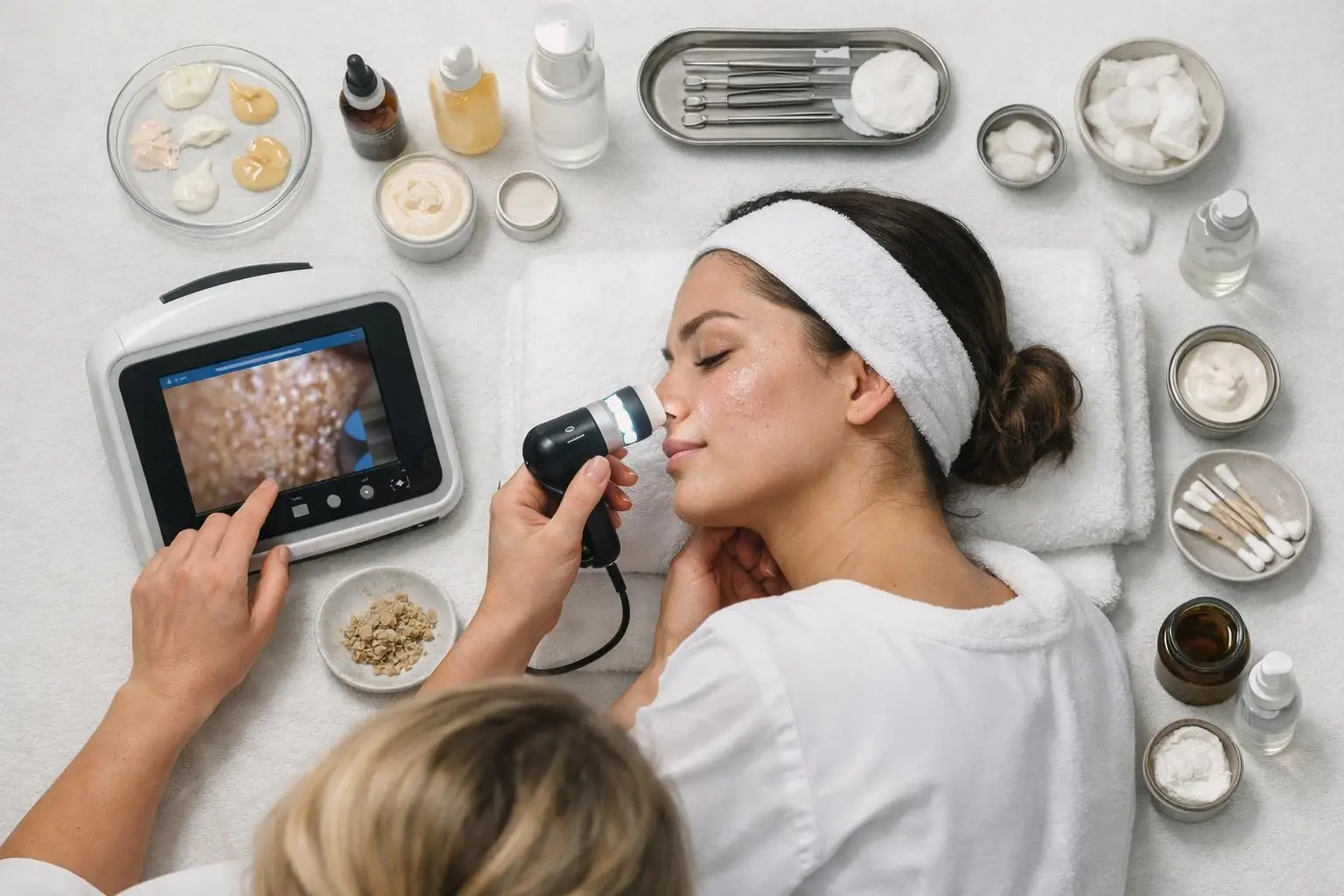
Comedogenic ingredients can significantly impact skin health, particularly for individuals prone to acne or congestion. Using products with high comedogenic ratings can worsen existing breakouts, lead to new blemishes. Or cause dull, uneven skin texture. Conversely, choosing non-comedogenic or low-comedogenic products can help maintain clearer skin and reduce the risk of irritation. This is especially important for people undergoing professional skincare treatments, as clogged pores can interfere with the effectiveness of procedures like facials, chemical peels. Or extractions.
Beyond personal skincare, comedogenicity is also a key consideration for beauty professionals when recommending products to clients. A salon or esthetician may avoid high-comedogenic ingredients in treatments to prevent post-service breakouts and ensure client satisfaction. For example, a deep-cleansing facial might incorporate non-comedogenic exfoliants to avoid aggravating acne-prone skin.
Comedogenic ratings become especially important in certain situations, such as when selecting products for acne-prone or oily skin. Or when undergoing professional skincare treatments. Clients with a history of breakouts should pay close attention to comedogenic ingredients in their daily skincare routine, including cleansers, moisturizers, sunscreens. And makeup. Even seemingly harmless products, like heavy foundations or thick creams, can contribute to pore blockages if they contain comedogenic ingredients.
Comedogenicity also plays a role in professional settings, such as beauty salons or dermatology clinics. Estheticians often tailor treatments to avoid high-comedogenic ingredients, particularly for clients receiving acne treatments, chemical peels. Or extractions. For instance, a salon in a humid climate like West Palm Beach, FL, might recommend lightweight, non-comedogenic moisturizers to prevent pore congestion in hot, sweaty conditions. And individuals with sensitive skin or conditions like rosacea should be cautious, as comedogenic ingredients can exacerbate redness and irritation.
Non-comedogenic refers to ingredients or products that are unlikely to clog pores. While comedogenic ingredients have a higher likelihood of causing blockages and breakouts.
Acnegenic refers to substances that cause acne. While comedogenic specifically refers to those that clog pores, which may or may not lead to acne.
Occlusive ingredients form a barrier on the skin to lock in moisture. But not all occlusives are comedogenic—some may clog pores while others do not.
Comedogenic ratings are a helpful guideline. But they are not foolproof. Skin reactions depend on individual factors like skin type, climate. And product formulation. Always observe how your skin responds to new products, even if they are labeled non-comedogenic.
A client with oily, acne-prone skin visits a beauty salon for a facial. The esthetician avoids using coconut oil, a highly comedogenic ingredient, in the treatment and instead opts for a lightweight, non-comedogenic moisturizer. After the service, the client’s skin remains clear. And they are advised to check product labels for comedogenic ingredients in their daily routine.
Non-Comedogenic is a label used on skincare and cosmetic products that means the product is formulated to avoid clogging pores. Clogged pores can lead to blackheads, whiteheads. And acne. Non-Comedogenic products are tested or designed to reduce the risk of causing these skin issues, making them safer for people with acne-prone or sensitive skin.
Skin Barrier is the outermost layer of the skin that acts as a protective shield against environmental damage, bacteria. And moisture loss. It consists of skin cells and lipids that work together to maintain hydration, prevent irritation. And keep the skin healthy. A strong skin barrier is essential for smooth, resilient. And glowing skin.
Sebaceous filaments are tiny, naturally occurring structures within hair follicles that help transport sebum (skin oil) to the surface. They appear as small, pin-sized dots, often on the nose, chin. Or forehead. And are a normal part of healthy skin. Unlike blackheads, they're not clogged pores but rather a functional part of the skin’s oil regulation system.
pH Balance is a measure of how acidic or alkaline a substance is, ranging from 0 to 14. A pH of 7 is neutral, below 7 is acidic. And above 7 is alkaline. Maintaining the correct pH balance in skincare products and hair treatments ensures they work effectively without causing irritation or damage to the skin and hair.
Posh Boutique WPB
Contact Posh Boutique WPB for practical guidance on Comedogenic and related beauty salon work in West Palm Beach.