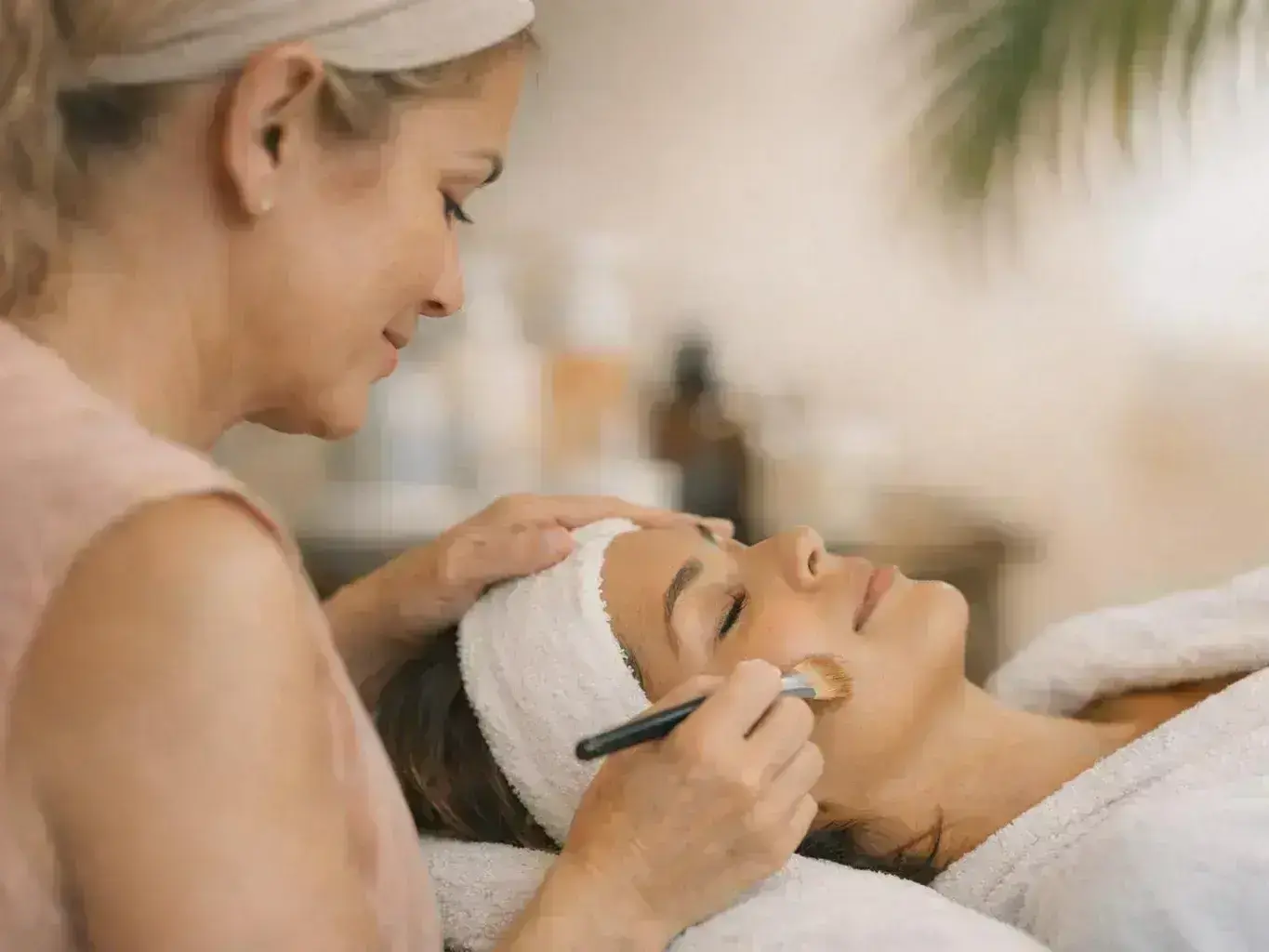
Non-Comedogenic is a label used on skincare and cosmetic products that means the product is formulated to avoid clogging pores. Clogged pores can lead to blackheads, whiteheads. And acne. Non-Comedogenic products are tested or designed to reduce the risk of causing these skin issues, making them safer for people with acne-prone or sensitive skin.
Category
Skincare and cosmetic labeling
Used for
Preventing clogged pores and acne
Common confusion
Non-Comedogenic does not guarantee zero breakouts
Also called
Non-Clogging, Pore-Friendly
Often discussed with
Acne Treatment, Facials
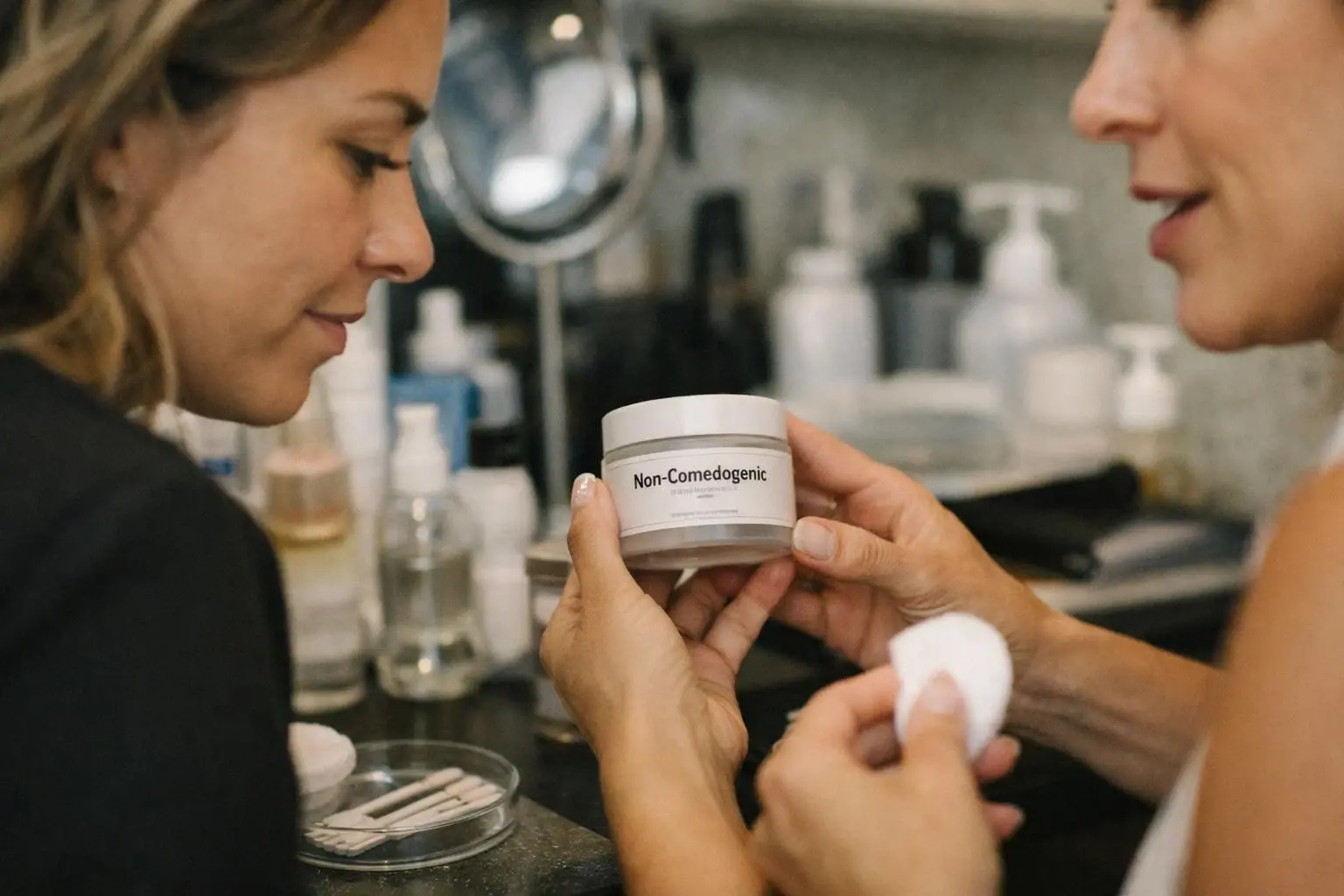
Non-Comedogenic is a term used in the beauty and skincare industry to describe products that are less likely to clog pores. Pores are tiny openings in the skin where oil and sweat are released. When pores become clogged, they can trap dirt, oil. And bacteria, leading to blackheads, whiteheads. Or acne. Non-Comedogenic products are specifically formulated to cut down on this risk, making them a popular choice for people with oily, acne-prone. Or sensitive skin.
Related glossary terms: Comedogenic, Skin Barrier, Salicylic Acid.
The term "comedogenic" refers to ingredients or products that tend to clog pores. The prefix "non-" means the product avoids these pore-clogging properties. But Non-Comedogenic is not a regulated or standardized term. This means there is no official test or certification required for a product to be labeled as Non-Comedogenic. Instead, companies often rely on ingredient lists and internal testing to make this claim.
Non-Comedogenic products work by avoiding ingredients known to clog pores. Common pore-clogging ingredients include certain oils (like coconut oil), heavy waxes. And some types of silicones. Instead, Non-Comedogenic products often use lighter, water-based formulas or ingredients like hyaluronic acid, glycerin. And salicylic acid, which help keep pores clear. These products may also include anti-inflammatory ingredients to calm the skin and reduce redness or irritation.
For local customers, To determine if a product is Non-Comedogenic, companies may conduct patch tests on volunteers or use laboratory methods to assess how likely an ingredient is to clog pores. Some brands refer to a comedogenic scale, which ranks ingredients on a scale from 0 (non-clogging) to 5 (highly clogging). Ingredients rated 0 to 2 are generally considered safe for Non-Comedogenic formulations. But since everyone’s skin is different, a product labeled Non-Comedogenic may still cause breakouts for some people.
Non-Comedogenic products matter because they help reduce the risk of skin issues like acne, which can be frustrating and difficult to manage. Acne is not just a teenage problem—many adults struggle with breakouts due to hormones, stress, diet. Or environmental factors. Using Non-Comedogenic products can be a proactive step in maintaining clearer, healthier skin, especially for those prone to clogged pores.
For people with acne-prone skin, choosing Non-Comedogenic products can make a noticeable difference in their skincare routine. These products are often recommended by dermatologists and estheticians because they cut down on the risk of worsening existing acne or causing new breakouts. But it's still important to pay attention to how your skin reacts, as individual sensitivities can vary.
Non-Comedogenic products are especially important for people with oily, combination. Or acne-prone skin. They're also useful for anyone who wears makeup regularly, as foundation, concealer. And other cosmetics can contribute to clogged pores. Even people with dry or sensitive skin can benefit from Non-Comedogenic products, as heavy or pore-clogging ingredients can lead to irritation or breakouts over time.
In humid climates like West Palm Beach, FL, where heat and humidity can increase sweat and oil production, Non-Comedogenic products become even more valuable. The combination of sweat, oil. And environmental pollutants can clog pores more easily, making it important to choose skincare and makeup products that help keep pores clear. Estheticians and skincare professionals often recommend Non-Comedogenic options to clients dealing with acne or frequent breakouts in such environments.
Non-Comedogenic products are also a smart choice for anyone undergoing professional skincare treatments, such as facials, chemical peels. Or microdermabrasion. After these treatments, the skin is often more sensitive and vulnerable to irritation. Using Non-Comedogenic products helps support the skin’s healing process without adding extra stress to the pores.
Comedogenic refers to ingredients or products that are likely to clog pores. While Non-Comedogenic products are formulated to avoid this issue.
Hypoallergenic products are designed to reduce the risk of allergic reactions. While Non-Comedogenic products focus on preventing clogged pores and acne.
Oil-free products do not contain oils. But they may still include other pore-clogging ingredients. Non-Comedogenic products may contain oils but are formulated to avoid clogging pores.
Non-Comedogenic is a helpful guideline. But it’s not a one-size-fits-all solution. Skin types and sensitivities vary. So what works for one person may not work for another. Always patch test new products and monitor your skin’s response.
A client with acne-prone skin visits a beauty salon for a facial. The esthetician recommends a Non-Comedogenic moisturizer and foundation to help prevent breakouts. After using these products for a few weeks, the client notices fewer clogged pores and fewer new blemishes, making their skin clearer and more comfortable.
Comedogenic is a term used to describe ingredients or products that clog pores and promote the formation of comedones—blackheads and whiteheads. Comedogenic substances can block hair follicles, leading to acne breakouts, especially in individuals with oily or acne-prone skin. The term is commonly used in skincare to identify products that may worsen acne or congestion.
Skin Barrier is the outermost layer of the skin that acts as a protective shield against environmental damage, bacteria. And moisture loss. It consists of skin cells and lipids that work together to maintain hydration, prevent irritation. And keep the skin healthy. A strong skin barrier is essential for smooth, resilient. And glowing skin.
Salicylic Acid is a beta hydroxy acid (BHA) derived from willow bark and synthetic sources that exfoliates dead skin cells, unclogs pores. And reduces inflammation. It dissolves oil-based buildup, making it effective for treating acne, blackheads. And oily skin while improving texture and clarity without harsh scrubbing.
Glycolic Acid is a colorless, odorless alpha hydroxy acid (AHA) derived from sugarcane that acts as a gentle exfoliant. It dissolves dead skin cells on the surface, unclogs pores. And promotes cell turnover, improving skin texture, brightness. And hydration when used in proper concentrations and formulations.
Posh Boutique WPB
Contact Posh Boutique WPB for practical guidance on Non-Comedogenic and related beauty salon work in West Palm Beach.