Retinol is a form of vitamin A used in skincare to reduce fine lines, improve skin texture. And promote cell turnover. It works by encouraging the production of new skin cells and collagen, helping skin appear smoother and more youthful. Retinol is available in serums, creams. And treatments. But it can cause irritation if not used correctly.
Category
Vitamin A derivative
Used for
Anti-aging, acne. And skin texture improvement
Common confusion
Often mistaken for retinoic acid (stronger prescription form)
Also called
Vitamin A derivative, Retinoid (over-the-counter)
Often discussed with
Anti-Aging Facials, Customized Skincare Protocols
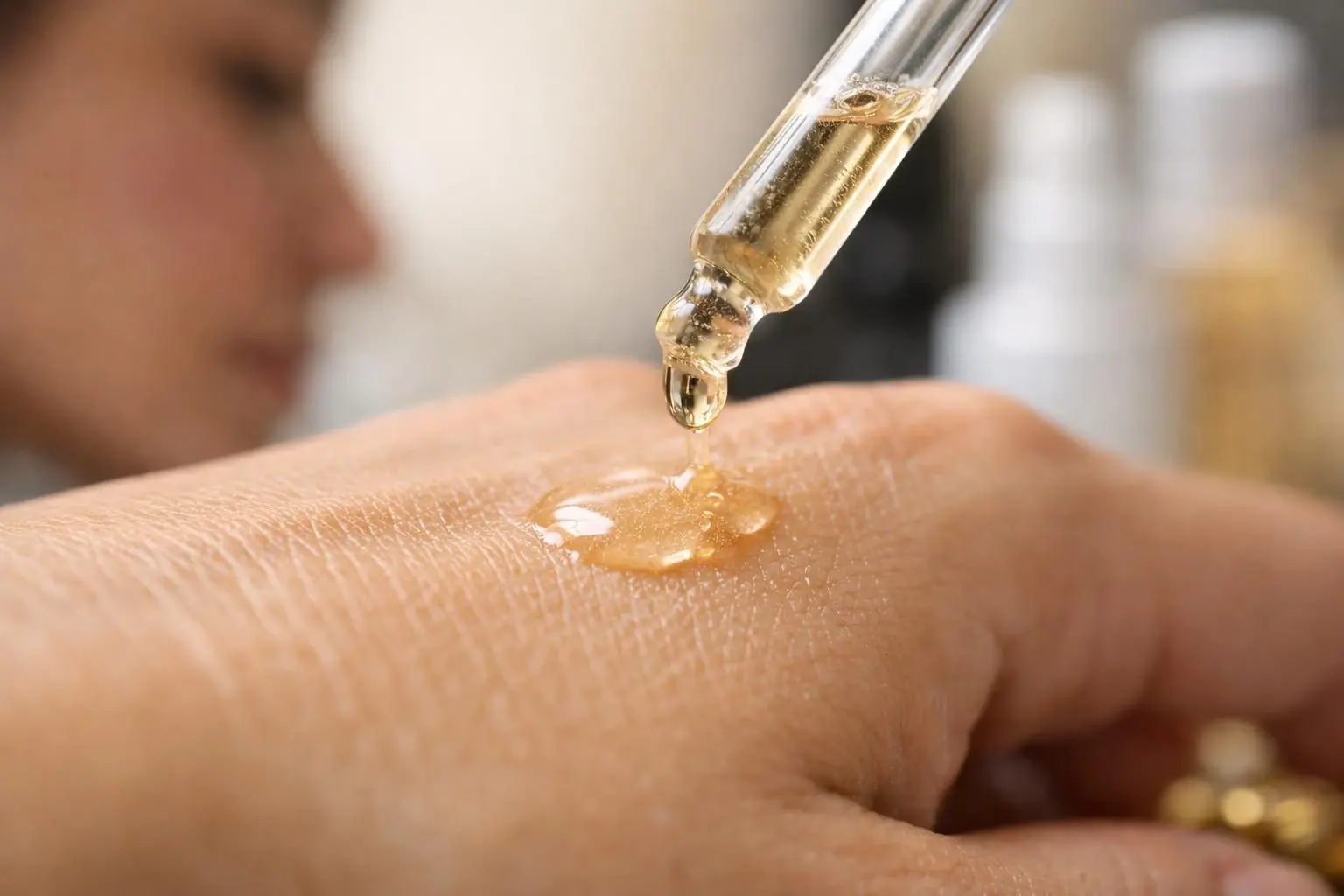
Retinol is one of the most studied and effective ingredients in skincare. It belongs to a family of compounds called retinoids, which are all derived from vitamin A. In practical terms, unlike some skincare trends, retinol has decades of scientific research backing its benefits. It helps the skin by increasing cell turnover, which means it encourages the skin to shed old, damaged cells and replace them with newer, healthier ones. This process can make skin look brighter, smoother. And more even-toned over time.
Related glossary terms: Collagen Induction, Skin Barrier, AHAs.
Retinol is available in many forms, including over-the-counter serums, creams. And lotions. Prescription-strength retinoids, like tretinoin, are stronger and often used for more severe skin concerns. Because retinol can be powerful, it’s important to introduce it slowly into a skincare routine. Starting with a low concentration and using it only a few times a week can help the skin adjust and reduce the risk of irritation. Many people use retinol at night because sunlight can break it down, making it less effective.
Retinol works by penetrating the outer layer of the skin and interacting with cells in deeper layers. Once absorbed, it converts into retinoic acid, which is the active form that binds to specific receptors in skin cells. These receptors then signal the cells to produce more collagen and elastin, two proteins that keep skin firm and elastic. Collagen production naturally slows down as people age, which is why skin can start to sag or develop wrinkles. By boosting collagen, retinol helps counteract this process.
In addition to stimulating collagen, retinol also helps regulate oil production in the skin. This makes it useful for people with acne, as it can prevent clogged pores. It can also fade dark spots and hyperpigmentation by speeding up the skin’s natural exfoliation process. But because retinol increases cell turnover, it can make the skin more sensitive to the sun. That’s why dermatologists always recommend using sunscreen during the day when using retinol at night. Without sun protection, the skin is more prone to damage and irritation.
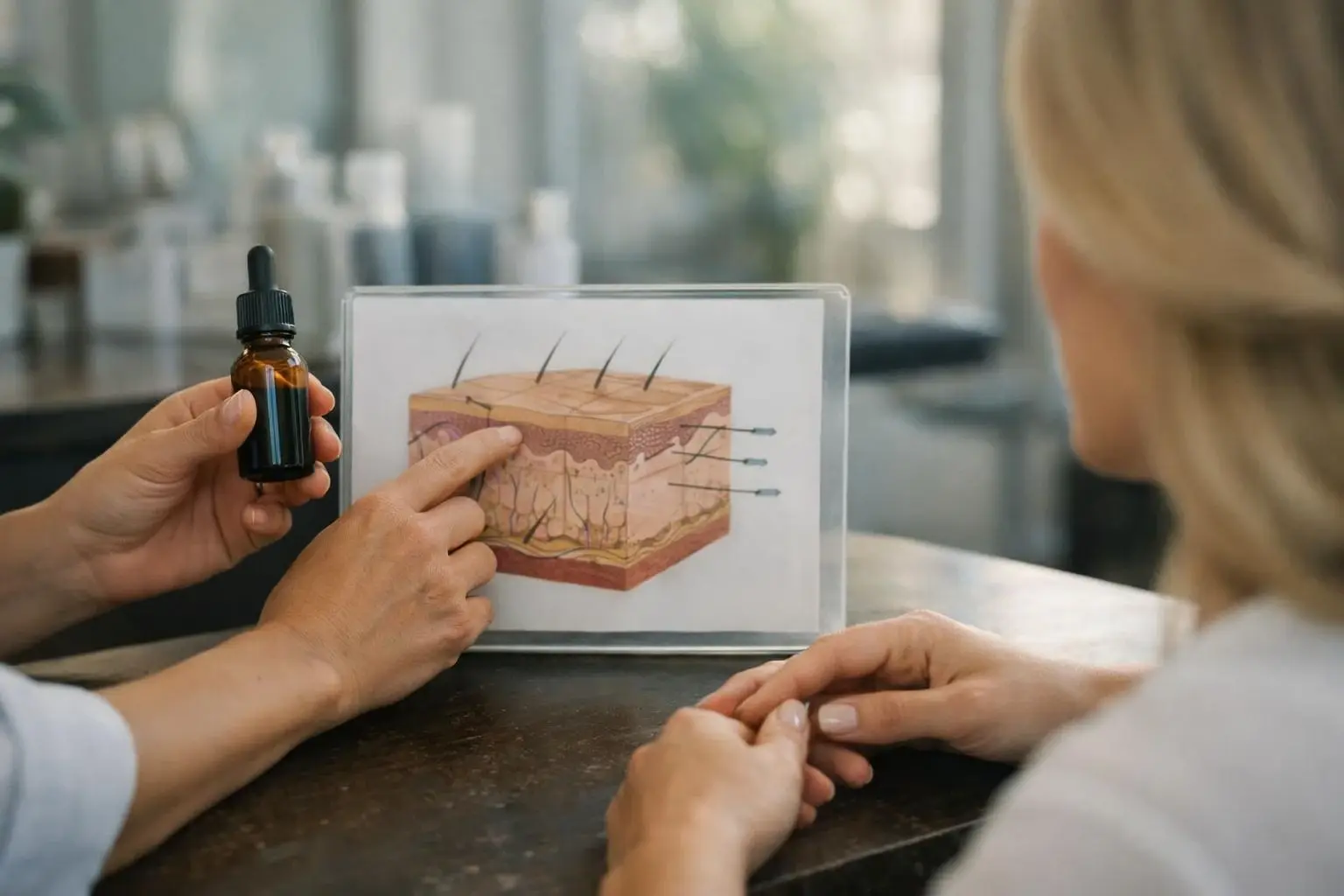
Retinol matters because it addresses multiple skin concerns at once. Whether someone is dealing with fine lines, acne. Or uneven skin tone, retinol can help improve the appearance of these issues over time. Unlike some skincare ingredients that only provide temporary benefits, retinol works on a cellular level to create long-term changes in the skin. This makes it a valuable addition to many skincare routines, especially for those focused on anti-aging or acne prevention.
Another reason retinol is important is its versatility. It can be used by people with different skin types. Though those with sensitive skin may need to start with a gentler formula. Retinol is also available in a range of strengths, from mild over-the-counter options to stronger prescription treatments. This flexibility allows people to choose a product that matches their skin’s needs and tolerance levels. But because retinol can cause dryness or redness, it’s important to use it as part of a balanced skincare routine that includes moisturizers and sun protection.
Retinol matters most for people who want to slow down the signs of aging or improve their skin’s texture. It’s particularly helpful for those noticing fine lines, wrinkles. Or a loss of firmness in their skin. Because collagen production starts to decline in the late 20s or early 30s, many people begin using retinol around this time as a preventive measure. But retinol can also be beneficial for younger people dealing with acne or uneven skin tone.
Retinol is also important for those living in sunny climates, like West Palm Beach, FL, where sun exposure can accelerate skin aging. While retinol doesn’t replace sunscreen, it can help repair some of the damage caused by UV rays over time. It’s especially useful for people who spend a lot of time outdoors or have sun-damaged skin. But because retinol increases sun sensitivity, it’s crucial to use it alongside a broad-spectrum sunscreen with at least SPF 30. Without sun protection, retinol can make the skin more vulnerable to burns and long-term damage.
For local customers, Finally, retinol matters most when used consistently and correctly. Results from retinol take time—usually several weeks to months—because it works gradually. Using it too often or in high concentrations right away can lead to irritation, redness. Or peeling. Starting slow and gradually increasing usage allows the skin to build tolerance. For best results, retinol should be part of a skincare routine that includes gentle cleansers, moisturizers. And sun protection.
Retinoic acid is the prescription-strength form of vitamin A, stronger than retinol. And requires a doctor’s approval.
Retinaldehyde is another vitamin A derivative that converts to retinoic acid faster than retinol, making it more potent but potentially more irritating.
Peptides help boost collagen like retinol but work differently and are usually gentler on sensitive skin.
Retinol is powerful. But patience is key. Many people stop using it too soon because they expect instant results. Start with a low concentration, use it 2-3 times a week. And gradually increase frequency to avoid irritation. Always pair it with a good moisturizer and sunscreen to protect the skin.
A 35-year-old woman in West Palm Beach starts using a 0.5% retinol serum three nights a week to address fine lines and sun spots. After six weeks, she notices her skin looks brighter and feels smoother. She continues using it alongside a daily SPF 50 sunscreen to protect her skin from the Florida sun.
Collagen Induction is a minimally invasive skin-rejuvenation procedure that uses tiny needles to create controlled micro-injuries in the skin. These micro-injuries trigger the body’s natural healing response, stimulating collagen and elastin production to improve skin texture, reduce scars, fine lines. And wrinkles. And enhance overall skin firmness and elasticity.
Skin Barrier is the outermost layer of the skin that acts as a protective shield against environmental damage, bacteria. And moisture loss. It consists of skin cells and lipids that work together to maintain hydration, prevent irritation. And keep the skin healthy. A strong skin barrier is essential for smooth, resilient. And glowing skin.
AHAs are a group of water-soluble acids derived from fruits, milk. Or sugar cane that exfoliate the skin’s surface. AHAs work by breaking the bonds between dead skin cells, helping them shed more easily. Common types include glycolic acid, lactic acid. And mandelic acid, used to improve texture, brightness. And hydration in skincare treatments.
Glycolic Acid is a colorless, odorless alpha hydroxy acid (AHA) derived from sugarcane that acts as a gentle exfoliant. It dissolves dead skin cells on the surface, unclogs pores. And promotes cell turnover, improving skin texture, brightness. And hydration when used in proper concentrations and formulations.
Posh Boutique WPB
Contact Posh Boutique WPB for practical guidance on Retinol and related beauty salon work in West Palm Beach.