BHAs are oil-soluble beta hydroxy acids used in skincare to exfoliate dead skin cells, unclog pores. And reduce inflammation. The most common BHA is salicylic acid, which penetrates deep into pores to dissolve excess oil and debris, making it ideal for oily, acne-prone. Or combination skin types.
Category
Chemical exfoliant
Used for
Acne treatment, pore cleansing, exfoliation
Common confusion
Often confused with AHAs, which are water-soluble
Also called
Beta Hydroxy Acids
Often discussed with
Facials, Chemical Peels
BHAs. Or beta hydroxy acids, are a group of chemical exfoliants commonly used in skincare. Unlike physical scrubs that manually remove dead skin cells, BHAs work by dissolving the bonds between cells, allowing them to shed more easily. Their oil-soluble nature means they can penetrate deeper into the skin’s pores, making them particularly effective for treating oily and acne-prone skin. The most well-known BHA is salicylic acid, which is widely used in cleansers, toners, serums. And spot treatments.
Related glossary terms: AHAs, Salicylic Acid, Skin Barrier.
BHAs are valued for their ability to address multiple skin concerns simultaneously. They help unclog pores by dissolving sebum (oil) and dead skin cells that can lead to blackheads, whiteheads. And breakouts. And BHAs have anti-inflammatory properties, which can calm redness and irritation associated with acne. Over time, regular use of BHAs can improve skin texture, reduce the appearance of enlarged pores. And promote a clearer complexion. But because BHAs can increase skin sensitivity to the sun, they're often recommended for use in the evening or followed by sunscreen during the day.
BHAs work by breaking down the connections between dead skin cells, allowing them to slough off more easily. Their oil-soluble structure enables them to penetrate the lipid layers between skin cells and inside pores, where they dissolve excess oil and debris. This makes BHAs highly effective for treating acne, as they can reach deep into the pore to clear out blockages that lead to breakouts. Salicylic acid, the most common BHA, also has keratolytic properties, meaning it helps soften and remove the outer layer of dead skin cells, promoting smoother skin.
The effectiveness of BHAs depends on their concentration and the pH of the product. Most over-the-counter skincare products contain salicylic acid in concentrations ranging from 0.5% to 2%. While professional treatments may use higher concentrations under the supervision of a licensed esthetician or dermatologist. The pH of the product also plays a critical role; BHAs are most effective in formulations with a pH between 3 and 4. Lower pH levels increase their exfoliating power but may also increase the risk of irritation, especially for sensitive skin types.
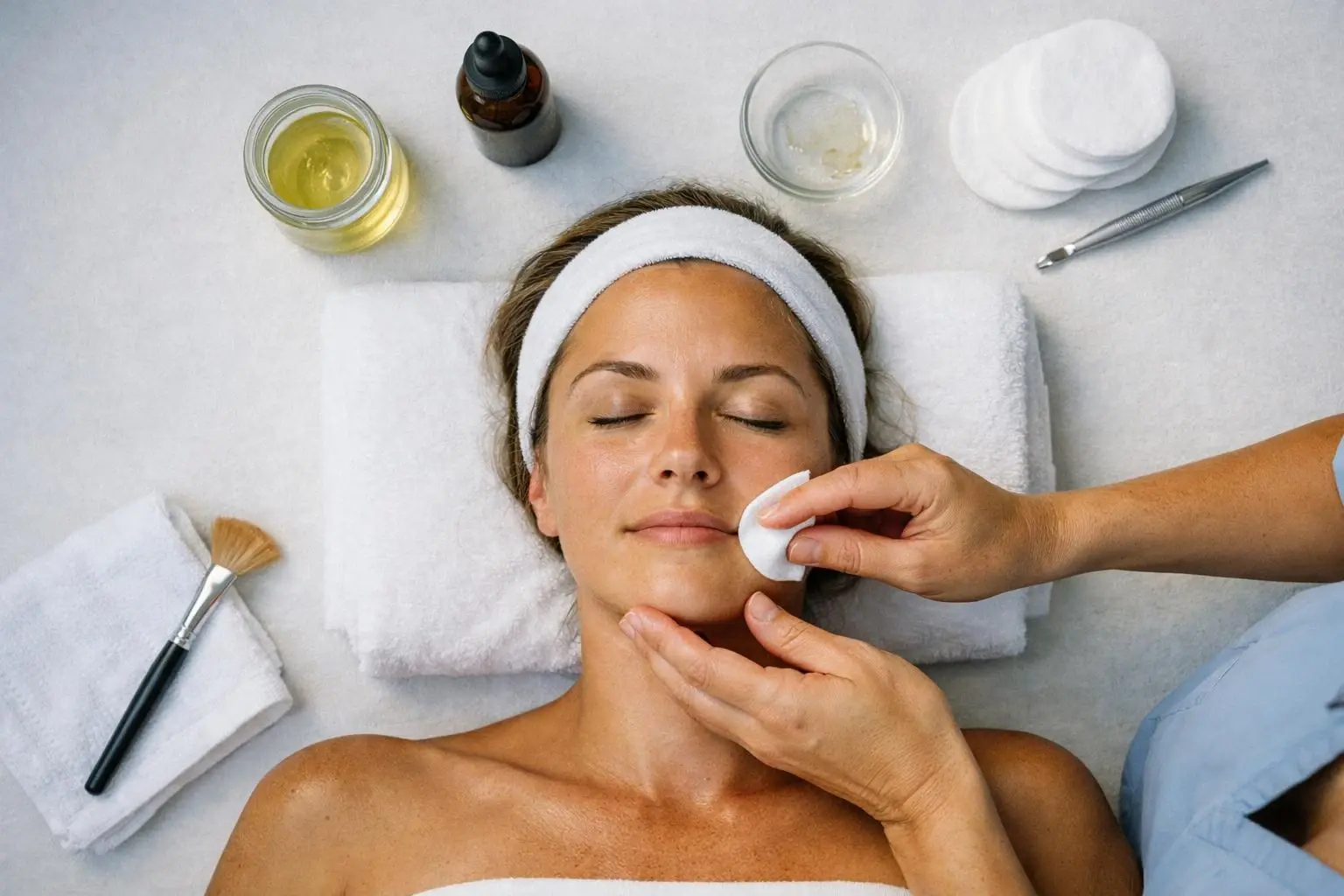
BHAs matter because they offer a targeted solution for common skin concerns like acne, clogged pores. And uneven texture. For individuals with oily or acne-prone skin, BHAs can help regulate sebum production and prevent breakouts by keeping pores clear. Their anti-inflammatory properties also make them useful for reducing redness and swelling associated with acne, making them a versatile ingredient in both treatment and prevention. And BHAs can improve the appearance of post-acne marks and hyperpigmentation by promoting cell turnover and revealing fresher, brighter skin.
Another key benefit of BHAs is their ability to boost the effectiveness of other skincare products. By removing the layer of dead skin cells on the surface, BHAs allow serums, moisturizers. And treatments to penetrate more deeply into the skin, maximizing their benefits. This makes BHAs a valuable addition to any skincare routine, particularly for those looking to address multiple concerns like aging, texture. And breakouts. But it’s important to introduce BHAs gradually to avoid over-exfoliation, which can compromise the skin barrier and lead to irritation.
BHAs are most beneficial for individuals with oily, acne-prone. Or combination skin types. They are particularly useful for those struggling with blackheads, whiteheads. Or frequent breakouts, as their ability to penetrate pores helps prevent clogging. BHAs are also a good choice for people with sensitive skin who experience redness or irritation, as their anti-inflammatory properties can help calm the skin while still providing exfoliation. But those with dry or highly sensitive skin may need to use BHAs cautiously, as they can be drying or irritating if overused.
BHAs are also valuable in professional skincare treatments, such as chemical peels, where higher concentrations can be used to achieve more dramatic results. In West Palm Beach, FL, where humidity and sun exposure are common, BHAs can help manage excess oil production and prevent clogged pores, making them a practical choice for maintaining healthy skin in the local climate. But because BHAs increase sun sensitivity, they should always be used in conjunction with a broad-spectrum sunscreen to protect the skin from UV damage.
AHAs (alpha hydroxy acids) are water-soluble exfoliants that work on the skin’s surface. While BHAs are oil-soluble and penetrate deeper into pores.
Salicylic acid is the most common BHA. But not all BHAs are salicylic acid—other beta hydroxy acids exist but are less commonly used in skincare.
BHAs are particularly effective for treating acne because they target both the surface and deeper layers of the skin. However, their oil-soluble nature means they can be drying if not balanced with hydrating ingredients, especially in humid climates like West Palm Beach.
A client with oily, acne-prone skin visits a salon for a deep cleansing facial. The esthetician incorporates a salicylic acid-based toner to help unclog pores and reduce inflammation, leading to clearer skin with fewer breakouts over time.
AHAs are a group of water-soluble acids derived from fruits, milk. Or sugar cane that exfoliate the skin’s surface. AHAs work by breaking the bonds between dead skin cells, helping them shed more easily. Common types include glycolic acid, lactic acid. And mandelic acid, used to improve texture, brightness. And hydration in skincare treatments.
Salicylic Acid is a beta hydroxy acid (BHA) derived from willow bark and synthetic sources that exfoliates dead skin cells, unclogs pores. And reduces inflammation. It dissolves oil-based buildup, making it effective for treating acne, blackheads. And oily skin while improving texture and clarity without harsh scrubbing.
Skin Barrier is the outermost layer of the skin that acts as a protective shield against environmental damage, bacteria. And moisture loss. It consists of skin cells and lipids that work together to maintain hydration, prevent irritation. And keep the skin healthy. A strong skin barrier is essential for smooth, resilient. And glowing skin.
Comedogenic is a term used to describe ingredients or products that clog pores and promote the formation of comedones—blackheads and whiteheads. Comedogenic substances can block hair follicles, leading to acne breakouts, especially in individuals with oily or acne-prone skin. The term is commonly used in skincare to identify products that may worsen acne or congestion.
pH Balance is a measure of how acidic or alkaline a substance is, ranging from 0 to 14. A pH of 7 is neutral, below 7 is acidic. And above 7 is alkaline. Maintaining the correct pH balance in skincare products and hair treatments ensures they work effectively without causing irritation or damage to the skin and hair.
Posh Boutique WPB
Contact Posh Boutique WPB for practical guidance on BHAs and related beauty salon work in West Palm Beach.